Books That Became Movies You'd Never Guess
From Die Hard to Mean Girls, these movies were books first - and your library might have more unexpected connections than you realize.
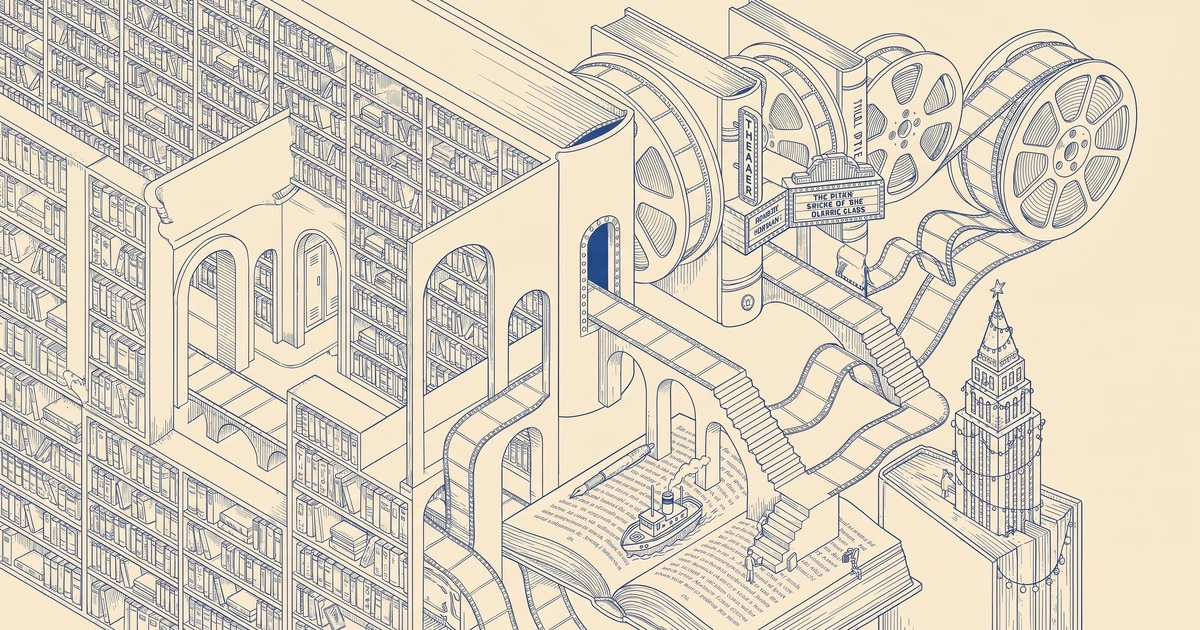
Some adaptations are obvious. Everyone knows The Lord of the Rings was a book. Same with Harry Potter and The Hunger Games.
But what about Die Hard? Or Clueless? Or 10 Things I Hate About You?
Your library probably contains more connections than you think.
The Obvious Ones
The well-known ones first:
- Blade Runner → Philip K. Dick’s Do Androids Dream of Electric Sheep?
- The Shawshank Redemption → Stephen King’s Rita Hayworth and Shawshank Redemption
- Forrest Gump → Winston Groom’s novel of the same name
These are well-known. Film credits mention the source. Bookstores put movie tie-in covers on the novels.
But some adaptations hide in plain sight.
The Unexpected Ones
Die Hard (1988)
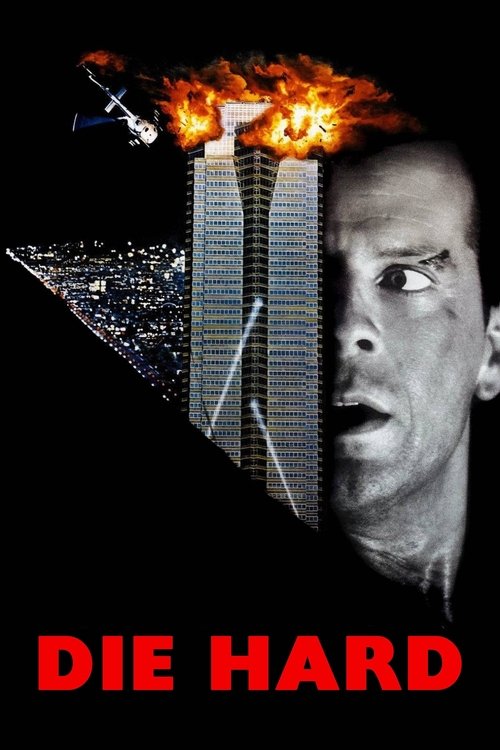
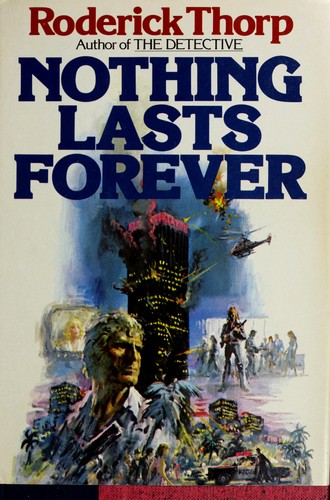
Based on Nothing Lasts Forever by Roderick Thorp (1979).
The novel was actually a sequel to The Detective, which had already been adapted into a 1968 Frank Sinatra film.
John McClane was originally Joe Leland, an older detective visiting his daughter’s office during a Christmas party takeover. The bones are the same: one man, tall building, terrorists, resourcefulness.
If you loved Die Hard and never read the book, you’ve been missing context for decades.
Mean Girls (2004)
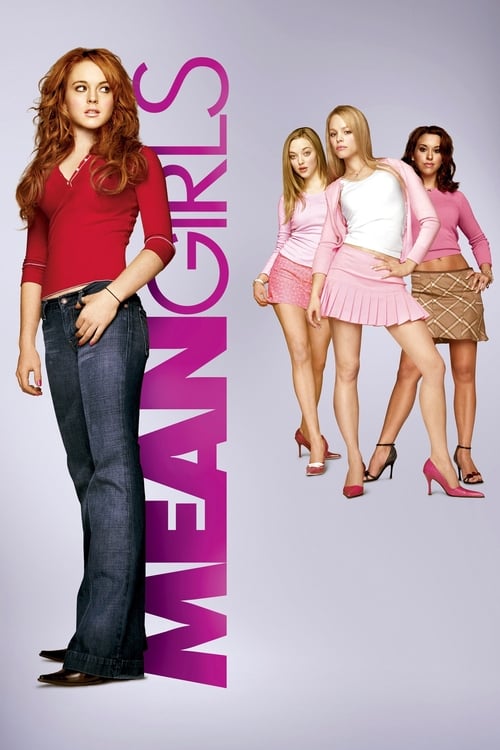
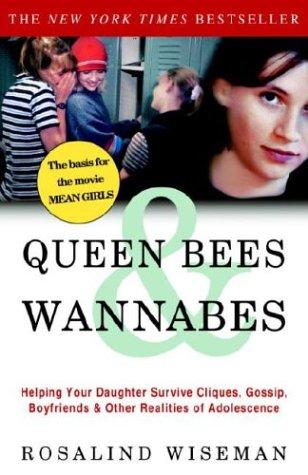
Based on Queen Bees and Wannabes by Rosalind Wiseman (2002).
The movie feels wholly original - Tina Fey’s dialogue, the Plastics, “On Wednesdays we wear pink.”
But the structure comes from Wiseman’s non-fiction book about teenage social hierarchies, sociology repurposed as satire.
Clueless (1995)
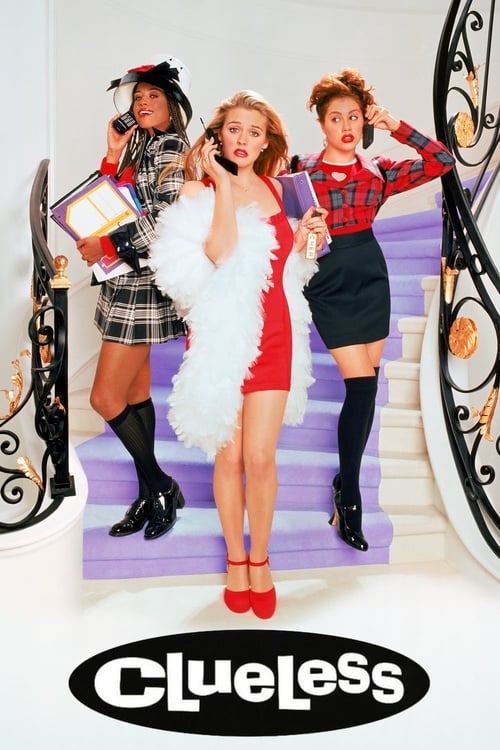
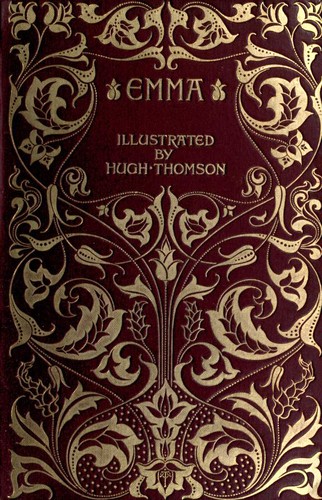
Based on Emma by Jane Austen (1815).
Cher Horowitz is Emma Woodhouse. Beverly Hills is Highbury. Matchmaking, class dynamics, eventual self-awareness - it’s all there. Obvious once you know, invisible until you do.
10 Things I Hate About You (1999)
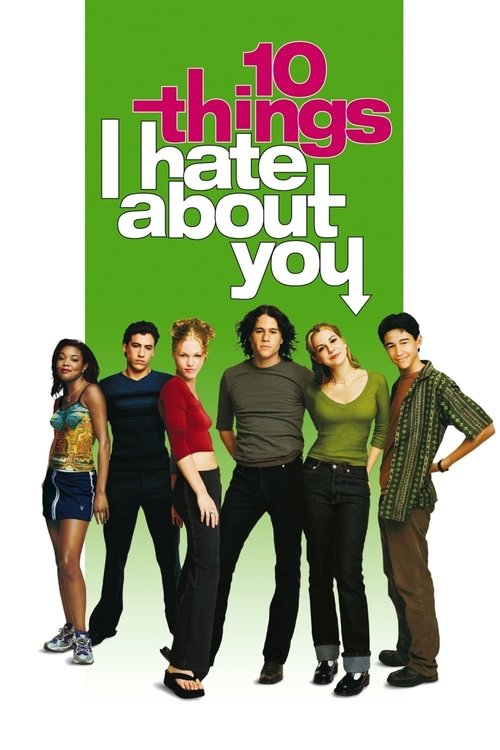
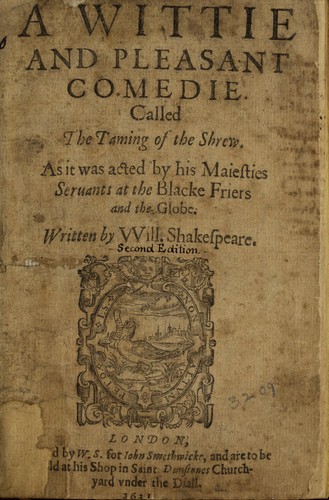
Based on The Taming of the Shrew by William Shakespeare (1590s).
Kat and Bianca Stratford are Katherine and Bianca from Shakespeare’s problem comedy. The plot beats align: younger sister can’t date until the older one does, someone paid to woo the “shrew,” eventual romance.
High school rom-com, meet Elizabethan gender politics.
Apocalypse Now (1979)
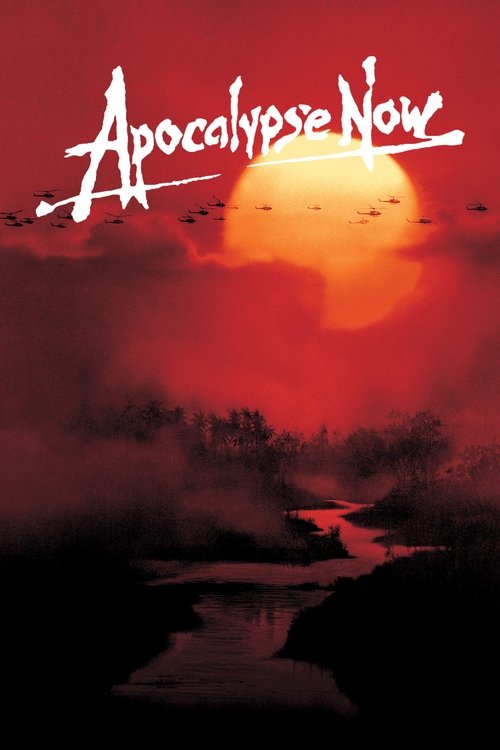
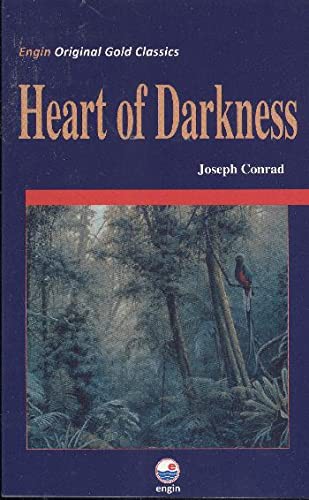
Based on Heart of Darkness by Joseph Conrad (1899).
Coppola moved the setting from colonial Congo to Vietnam War, but the structure is identical: a journey upriver to confront a man who’s gone rogue, questioning what “civilization” means along the way.
Kurtz is Kurtz in both.
O Brother, Where Art Thou? (2000)
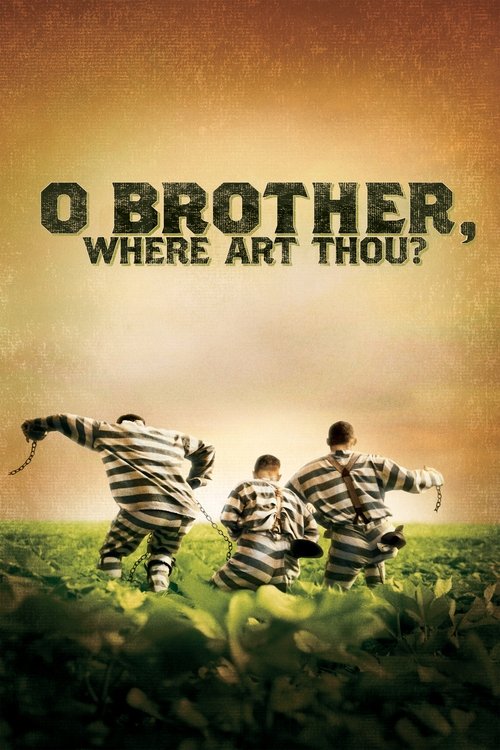
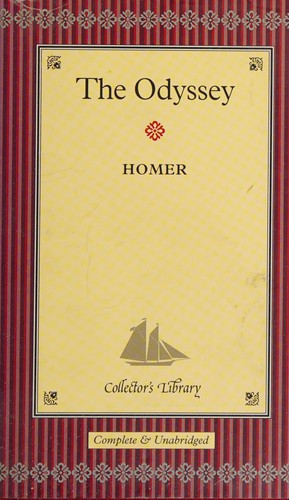
Based on The Odyssey by Homer (circa 8th century BCE).
The Coen Brothers transplanted Odysseus to Depression-era Mississippi. Everett is Odysseus. Penny is Penelope. The Sirens, the Cyclops, the journey home - it’s all there, just refracted through bluegrass and chain gangs.
Arrival (2016)
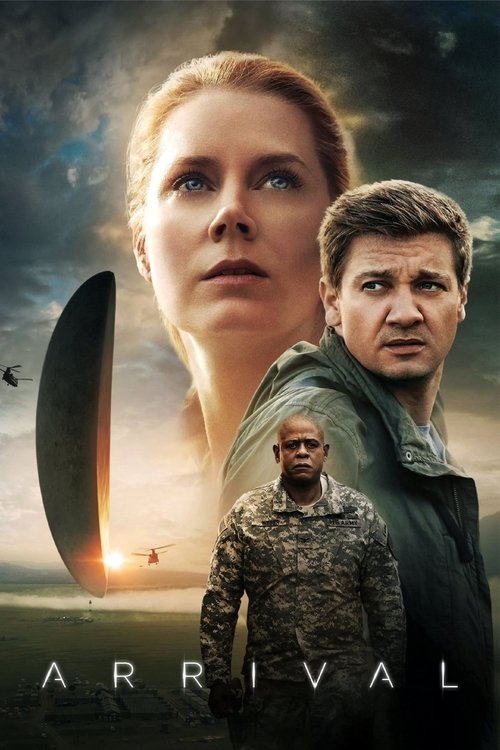
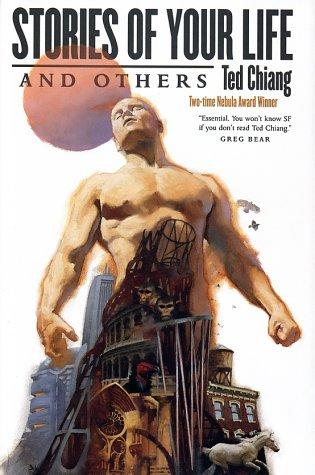
Based on Story of Your Life by Ted Chiang (1998).
Most people who saw Arrival had no idea it was an adaptation, let alone a short story from a sci-fi collection.
If you loved the movie and never read Chiang’s story, you’re missing his other work - which is just as good.
Drive (2011)
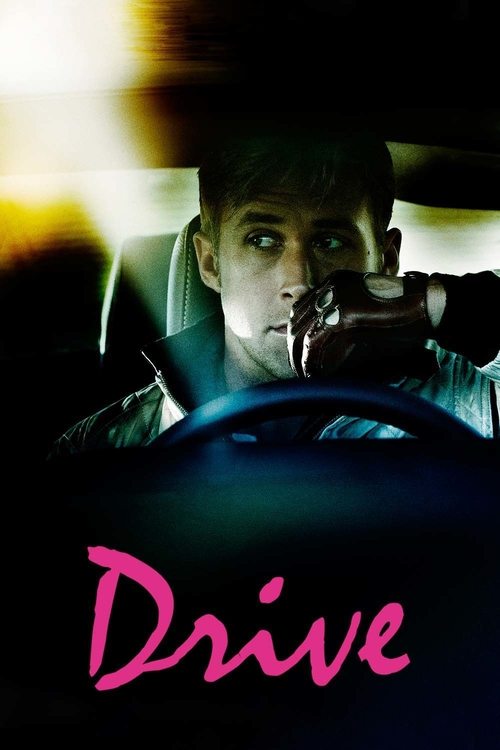
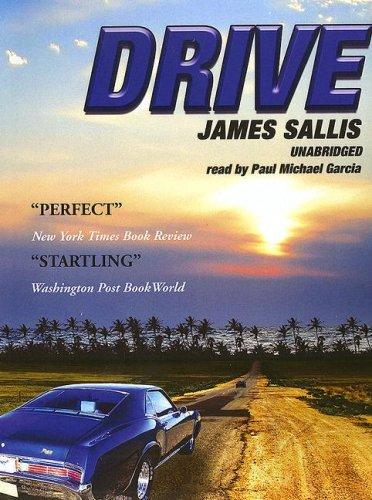
Based on a novel by James Sallis (2005).
The movie feels like pure cinema: silent protagonist, neon aesthetics, Cliff Martinez’s synth score.
But it started as a lean, literary crime novel. The mood is the same. The Driver is the same. The book is worth reading even if you’ve seen the film three times.
Shrek (2001)
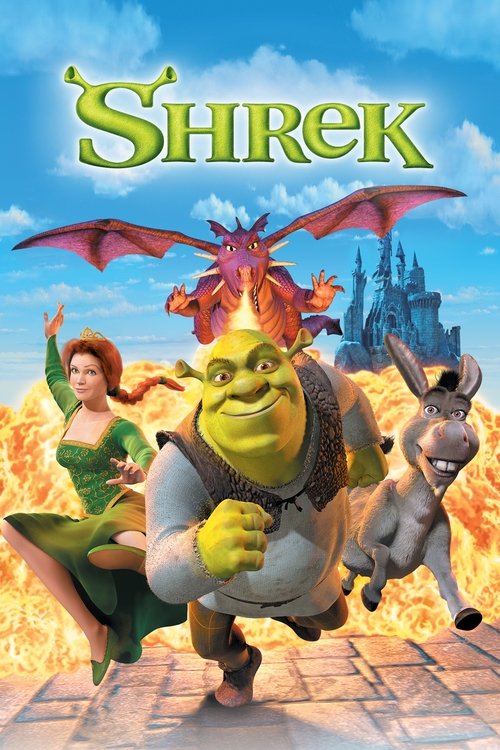
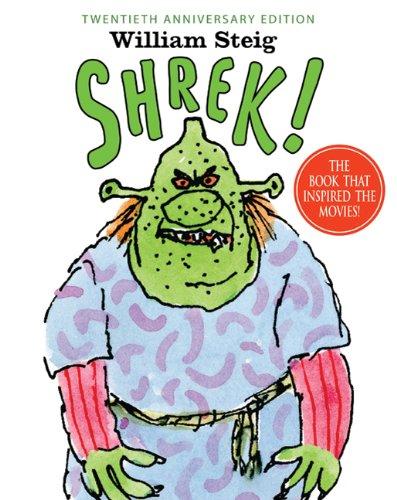
Based on a picture book by William Steig (1990).
Yes, really. Steig wrote a 32-page children’s book about an ugly ogre who goes on an adventure and ends up with an equally ugly princess.
The movie expanded the world (Donkey, Farquaad, the fairy tale satire), but the bones came from a picture book.
Why These Feel Invisible
Most adaptations signal their source:
- “Based on the novel by…”
- Opening credits cite the author
- Marketing leans into “from the bestselling book”
But some don’t. Either because:
- The source is obscure (Nothing Lasts Forever was out of print when Die Hard came out)
- The source is non-fiction (Mean Girls from a parenting guide feels weird to promote)
- The adaptation is so different (O Brother doesn’t credit Homer because it’s not a literal translation)
- The studio wanted it to feel original (Clueless works better if you don’t expect Austen)
These adaptations hide. You watch them without knowing you’re consuming something twice-told.
The Reverse Discovery
Most people go book → movie. Read the novel, then see the adaptation.
But plenty of us go the other way: love a movie, later discover it was a book.
This is a strange kind of discovery. You thought you knew the film. Then you find out it has a secret origin.
It’s like learning a song you love is a cover. The original was always there. You just didn’t know to look.
Lesser-Known Examples
Here are more adaptations that surprise people:
- The Prestige (2006) → Christopher Priest novel (1995)
- No Country for Old Men (2007) → Cormac McCarthy novel (2005)
- Edge of Tomorrow (2014) → All You Need Is Kill by Hiroshi Sakurazaka (2004)
- Paddington (2014) → Michael Bond’s children’s books (1958)
- Trainspotting (1996) → Irvine Welsh novel (1993)
- Starship Troopers (1997) → Robert A. Heinlein novel (1959)
- The Princess Bride (1987) → William Goldman novel (1973)
- LA Confidential (1997) → James Ellroy novel (1990)
Some you knew. Some you didn’t. That’s the fun of it.
What This Means for Your Library
If you track both books and movies, you start noticing these connections.
“Oh, I loved Arrival. Ted Chiang wrote it.” “I didn’t realize No Country for Old Men was a book.” “Wait, Die Hard was a novel?”
These aren’t trivia. They’re threads. Your library might already contain both ends of the thread - you just haven’t connected them yet.
This is where cross-media tracking helps. You can ask:
- “What books inspired movies I loved?”
- “What movies are based on books in my collection?”
Suddenly your library isn’t isolated items. It’s a web of influences, adaptations, and connections.
The Other Direction: Books Based on Movies
It happens the other way too, though less often.
- 2001: A Space Odyssey - Arthur C. Clarke wrote the novel alongside the screenplay. Book and movie developed in parallel.
- Novelizations - Many blockbusters get novelizations (Star Wars, Indiana Jones, etc.). These are adaptations of screenplays, not the source.
But generally, the arrow points book → movie. That’s where the IP lives.
Why We Care
Knowing a movie was a book doesn’t make the movie better or worse.
But it adds context. It opens doors.
If you loved Drive, you might love James Sallis’s other crime novels. If you loved Arrival, Ted Chiang’s story collection is worth your time. If you loved Die Hard, Roderick Thorp wrote more Joe Leland books.
The movie is a gateway. The book is the rest of the house.
How to Find These
Most adaptation databases focus on obvious ones. Wikipedia’s “based on” citations help, but they require manual searching.
A better approach: track both your books and movies in one place. Then ask:
- “What books in my library became movies I’ve seen?”
- “What movies I loved are adaptations?”
This isn’t trivia hunting. It’s pattern recognition. Your collection already knows more than you think.
Want to explore connections between books and movies in your library? Try Achriom and see what you’ve been missing.