What to Read After FROM
Six books and shows for fans of FROM, the MGM+ mystery-horror about a town you cannot leave and creatures that follow rules no one has decoded.
Some links below are affiliate links. As an Amazon Associate, Achriom earns from qualifying purchases. For books we prefer Bookshop.org, which supports independent bookstores.
If FROM left you refreshing forums for rule theories, these are the closest the shelves and the queue get: House of Leaves by Mark Z. Danielewski, The Troop by Nick Cutter, Behind Her Eyes by Sarah Pinborough, and The Fisherman by John Langan, plus two shows worth your next binge, Lost and Dark.
FROM works because of a specific pleasure: a system with its own internal logic, characters slowly decoding it, and a mythology that deepens instead of dissolving. The books and shows below deliver that same pleasure through different doors.
Below is what each one is, why it fits, and where to start.
What Makes a Story Feel Like FROM
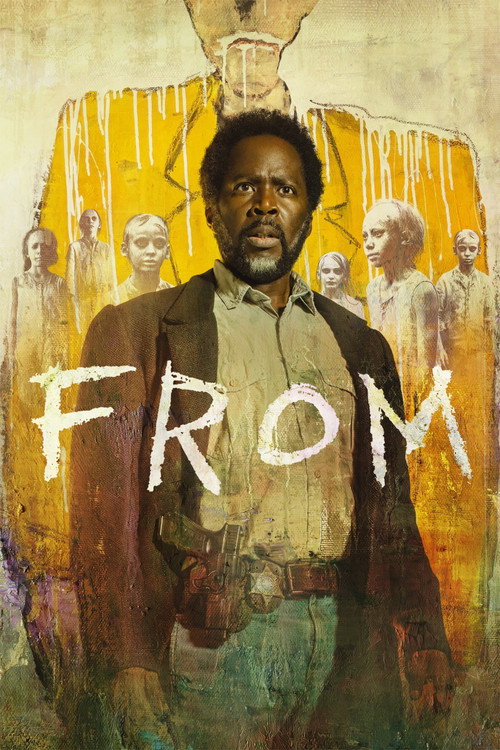
FROM is a mystery-horror series about a town nobody can leave. The roads loop. The creatures follow rules: they come at night, they wear human faces, they cannot enter a home unless invited or unless the protective talisman is gone. The residents have spent years building a fragile civic order around those rules, and the show is the slow work of the newcomers, and the audience, figuring out how the whole machine runs.
That setup has a few load-bearing parts, and the stories that scratch the same itch tend to share them.
The place has its own rules. The horror is not random. It runs on a system, and the tension comes from characters testing that system, breaking a rule, and paying for it. Half the pleasure is learning the mechanics alongside the cast.
The mythology spirals. Answers arrive, but each one opens two new questions. The lore is a structure you excavate rather than a puzzle you solve in one sitting. This is the exact engine that makes people theorize between episodes.
Isolation is the pressure. A town you cannot leave, an island, a stretch of Arctic wilderness, a cursed body of water. The setting seals the characters in with the thing that is wrong, and there is no calling for help.
The threat is patient and old. Whatever haunts these stories predates the people caught in it. It has been waiting. It has rules because it has been doing this for a very long time.
House of Leaves
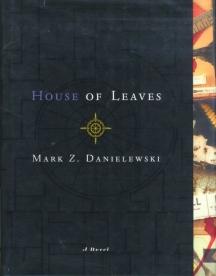
Mark Z. Danielewski’s 2000 novel is the closest match on this list to the feeling of a building with its own logic. A family moves into a house that is, by careful measurement, larger on the inside than the outside. A hallway appears where no hallway should fit. The space grows, shifts, and swallows people, and it obeys rules the characters can only map by risking themselves inside it.
The mythology arrives through documents within documents. There is a film that may not exist, an academic study of that film written by a blind man, and the footnotes of a second narrator who is slowly coming apart as he reads. The book physically enacts the maze it describes, with text that spirals, inverts, and forces you to turn the pages sideways.
If the part of FROM you love is the sense of an architecture that follows unknowable rules and a lore you assemble from fragments, start here. It is the reading experience that most resembles decoding the town.
The Troop
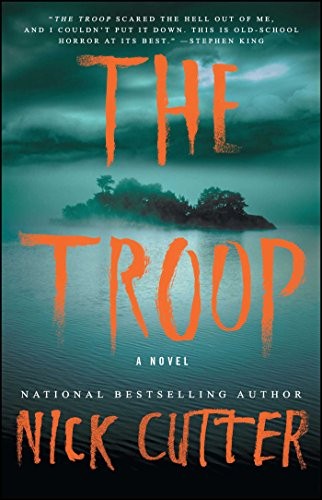
Nick Cutter’s 2014 novel strands a scoutmaster and five boys on a remote island off the coast of Prince Edward Island for a weekend camping trip. Then a starving stranger arrives, carrying something inside him that is fundamentally, biologically wrong. The island is small. The boat is gone. There is no way off, and the thing that has come ashore spreads.
The connection to FROM is the isolated-location horror with something loose in it that operates on its own merciless logic. The dread comes from containment: nowhere to run, a shrinking group, and a threat that keeps demonstrating new rules about how it works. Cutter interleaves the main story with interview transcripts and reports from after the event, so you learn the shape of the disaster before you watch it happen.
This is the most physically frightening book on the list. If FROM’s creatures and the sealed-in panic are what grip you, The Troop delivers that at full volume.
Behind Her Eyes
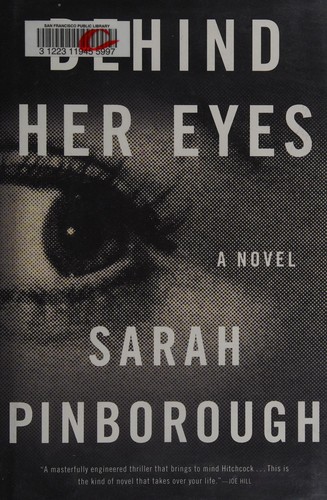
Sarah Pinborough’s 2017 thriller is here for the specific audience that watches FROM for the payoff, the viewers who want a mystery to detonate rather than dissolve. On the surface it is a domestic thriller: a single mother begins an affair with her psychiatrist boss and an unlikely friendship with his wife. Then the story turns, and the mechanism behind everything reframes every page you have read.
The reason it belongs next to FROM is the relationship between mythology and reveal. The book is built around rules the reader does not know are in play, and the ending recontextualizes the whole structure. It became a phenomenon specifically because its twist rewrote the genre it appeared to be in.
The tone is different from the horror on this list. It is quieter, closer to a psychological thriller than folk horror. But if the mythology-payoff itch is the one you need scratched, this is the cleanest hit.
The Fisherman
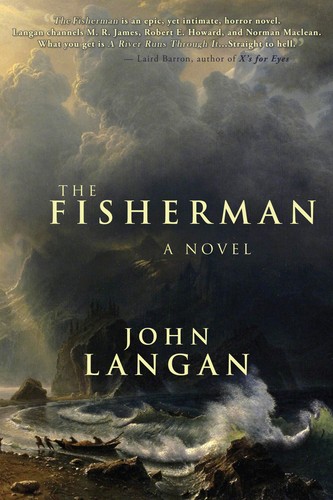
John Langan’s 2016 novel opens with two widowers in upstate New York who bond over fishing, then hear a story about a body of water called Dutchman’s Creek and the thing that lives there. The structure is nested, a story inside a story inside a story, each layer reaching further back in time.
This is deep-time folk horror, and it rewards the same patience FROM asks of its audience. The threat at Dutchman’s Creek predates the town and the country. It has rules, it makes bargains, and the consequences of those bargains take generations to fully surface. Langan builds the mythology slowly and expects you to hold the pieces until they connect.
The prose is careful and literary, and the pacing reflects that. If you want the mythology-watcher’s version of this list, the book that most respects the slow decode, this is it.
Lost
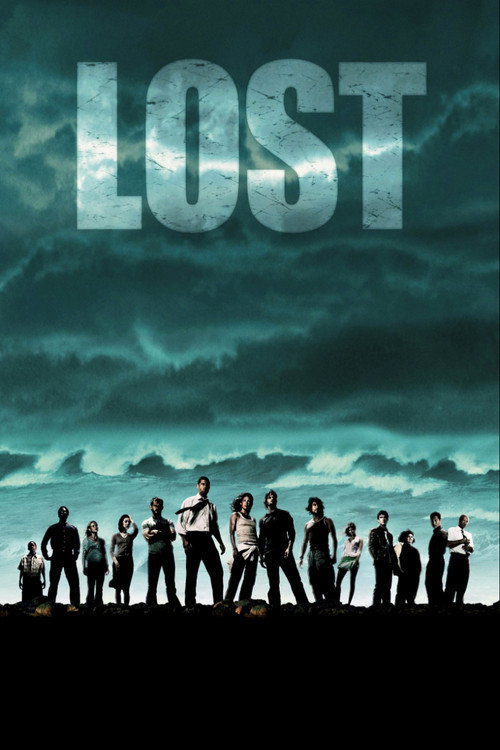
The comparison every FROM viewer eventually makes is to Lost, and it is worth making honestly. Both strand an ensemble in a place with rules that do not obey the outside world. Both use flashbacks to deepen characters while the central mystery unfolds. Both reward, and occasionally punish, the audience that theorizes between episodes. There is even a production lineage connecting FROM to the Lost creative world.
The differences matter. Lost is adventure-drama first, with supernatural and science-fiction elements layered in, and its mystery box grew enormous over six seasons. FROM is horror first, tighter in scope, more consistently frightening, and more focused on a single location’s logic.
If you have somehow never seen Lost, it is the foundational binge for anyone who fell for FROM’s structure. Go in knowing the ending divides people. The journey is the reason to watch.
Dark
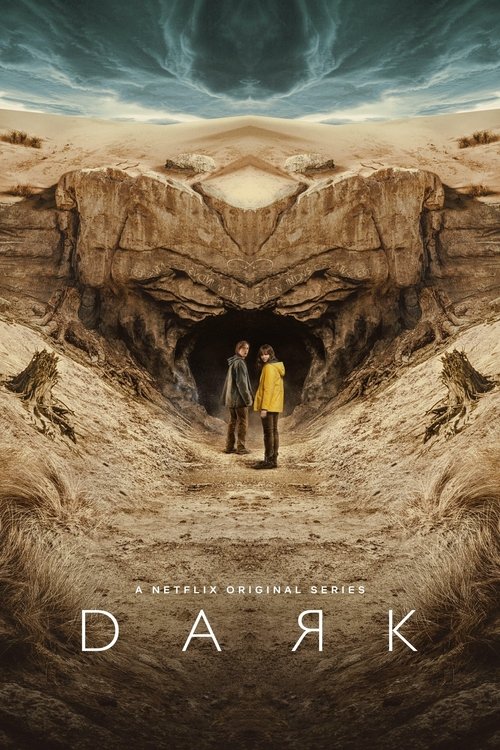
Dark is the recommendation for the FROM viewer who worries the show will never explain itself. This German series about a small town, a missing child, and a cave that connects across decades is a mystery-box story that actually pays off. Every thread it plants gets resolved, and the finale rewards close attention with a genuine, coherent explanation.
The overlap with FROM is the sensation of a system with rules you are decoding in real time. Dark runs on time-travel logic that is strict and self-consistent, and half the pleasure is diagramming how the pieces fit. It is one of the most intricately plotted shows ever made, and it earns its complexity by resolving it.
If FROM has you afraid of another open-ended mystery, watch this. It is proof that a show can build this kind of labyrinth and still find its way out.
Follow the Thread in Achriom
FROM sends you in two directions at once: toward horror novels about places with their own logic, and toward shows that build mythologies you can decode. Those are two different shelves in most people’s lives, split between a book tracker and a TV tracker that never talk to each other.
Achriom keeps them in one library. Log FROM, add House of Leaves when you finish it, mark Dark as up next, and your AI librarian can surface the thread running between a novel, a show, and an album that share a sensibility. That cross-format connection is the part a single-medium tracker cannot see.
Your next FROM obsession will not be all one format. Achriom keeps your shows, films, books, albums, and anime in one library, with an AI librarian that connects them and full export back out any time. Free to start, no card.
Build your one library →How These Compare
| Title | Format | Mythology Complexity | Isolation Type | Creature or System Logic |
|---|---|---|---|---|
| House of Leaves | Book | Very high | A house larger inside than out | The space itself follows unknowable rules |
| The Troop | Book | Low | Remote island, no escape | A biological threat with merciless logic |
| Behind Her Eyes | Book | Medium (twist-based) | Domestic, psychological | Hidden rules revealed at the end |
| The Fisherman | Book | High | Cursed creek, deep time | An old power that makes bargains |
| Lost | TV | Very high | Island you cannot leave | A place with rules revealed slowly |
| Dark | TV | Very high (resolved) | Small town, closed time loop | Strict, self-consistent time-travel logic |
Which to Start With
For the building with its own logic: House of Leaves. The nested documents, the space that will not stay measured, the mythology you assemble from fragments. It is the reading experience closest to decoding the town.
For the isolated-location terror: The Troop. A sealed island, a shrinking group, and something that keeps revealing new rules about how it kills. The scariest book here.
For the twist-ending payoff: Behind Her Eyes. If you watch FROM for the moment the mythology detonates, this thriller is built entirely around that sensation.
For the patient mythology-watcher: The Fisherman. Deep-time folk horror that rewards the reader who holds the pieces until they connect.
For the obvious next binge: Lost. The ensemble-stranded template, flawed ending and all.
For a mystery that actually explains itself: Dark. The antidote if you fear another open-ended lore machine.
The Honest Answer
FROM is doing something specific. It is horror organized as a system, a town with rules the characters test at their own risk, and a mythology that deepens rather than resolves. The stories that match it best are the ones that treat their own logic seriously.
House of Leaves gives you the architecture with unknowable rules and the spiraling, document-nested lore. The Troop gives you the sealed location and a threat that runs on its own biology. Dark gives you the mystery-box structure with a real payoff, which is the thing FROM may or may not deliver. The others fill in the corners: The Fisherman for the patient dread, Behind Her Eyes for the twist, Lost for the template that started this whole conversation.
You do not need all six. Pick the door that matches why FROM has its hooks in you, and start there.
Common Questions
What is FROM about?
FROM follows a group of strangers trapped in a rural town that will not let them leave. Every road out loops back to where it started. At night, smiling creatures emerge, and they can only enter homes that people invite them into or that have lost their protective talisman. The show is a slow decoding of the town’s rules, its history, and the logic behind the monsters.
How many seasons of FROM are there?
FROM premiered on MGM+ (formerly Epix) in 2022 and is currently in its third season, with the mythology deepening each year rather than resolving. It is one of the most closely followed mystery-horror series on television, and much of its audience watches specifically to theorize about the rules between episodes.
Will FROM ever be explained?
The show is built to reward patience, and each season answers some questions while opening new ones, the same structure that both frustrated and delighted Lost viewers. Whether it delivers a full explanation is still an open question. If you want a mystery-box story that definitively resolves its mythology, Dark is the safest recommendation on this list.
Is FROM connected to Lost?
Not officially, but the comparison is fair. Both are about a group stranded in a place with its own rules, both foreground a large ensemble, and both use flashbacks and slow revelation. FROM also shares a producer connection to the Lost creative world. The main difference is genre: Lost is adventure-drama with supernatural edges, while FROM is horror first.
Are these books scary or more mystery-driven like the show?
It is a mix. The Troop is the most viscerally frightening. House of Leaves builds dread through structure and format rather than jump scares. The Fisherman is patient folk horror. Behind Her Eyes is a psychological thriller that lands through a twist rather than sustained fear. Choose based on whether you are here for the terror or the mythology.
What should I read first after FROM?
Start with House of Leaves if you love the sensation of a place operating on rules no one understands and a mythology that spirals through nested documents. Start with The Troop if the isolated-location horror is what hooked you. Together they cover the two halves of what makes FROM work.