What to Read After The Vampire Lestat (AMC, 2026)
The Anne Rice reading order behind AMC's The Vampire Lestat, plus the gothic novels she wrote against and the vampire films to watch alongside.
Some links below are affiliate links. As an Amazon Associate, Achriom earns from qualifying purchases. For books we prefer Bookshop.org, which supports independent bookstores.
The Vampire Lestat returned to AMC in June 2026, picking up after the Interview with the Vampire seasons, and it has the most loyal gothic literary audience on television. The reading list starts where the show does: Anne Rice’s novels. From there it widens into the older vampire fiction Rice wrote against, and into the films that share the show’s blood.
The short version. Read the Rice novels in order, beginning with The Vampire Lestat and Interview with the Vampire. Then go back to the roots with Bram Stoker’s Dracula and Sheridan Le Fanu’s Carmilla. Then watch Only Lovers Left Alive, What We Do in the Shadows, and Nosferatu to see the same figure treated three completely different ways.
Below is what each one is, why it belongs here, and where to start.
What Makes The Vampire Lestat Its Own Thing
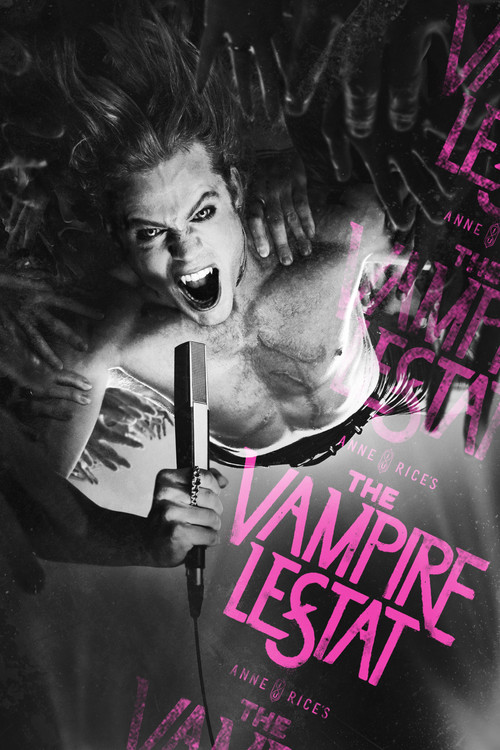
The AMC series is an adaptation of Anne Rice’s second novel, and it inherits that book’s whole argument about what a vampire is. For most of the twentieth century the vampire was a thing to be hunted. Rice made him the narrator. Lestat is not a shadow at the window. He is the loudest voice in the room, a former provincial actor who becomes immortal and decides that eternity is a stage.
The books and films that pair well with the show tend to share a few of its instincts.
The monster has a point of view. These are stories told from inside the vampire, or at least deeply sympathetic to him. The horror is not that something inhuman is out there. It is that something that used to be human is still in there, watching itself change.
The register is gothic, not clinical. Candlelight, old money, ruined estates, the long weight of centuries. The mood is romantic in the old sense, tuned to beauty and decay at once.
The morality is complicated. Nobody on this list is a simple villain or a simple victim. The pleasure of the form is watching a creature that kills to live try to build a code it can survive by.
The story spans time. Vampires accumulate history the way the rest of us accumulate photographs. The best of these works use immortality to hold two or three eras in the same frame.
The Anne Rice Reading Order
Start here, because the show does. These are the books The Vampire Chronicles is built from, listed in the order that makes the story land.
The Vampire Lestat
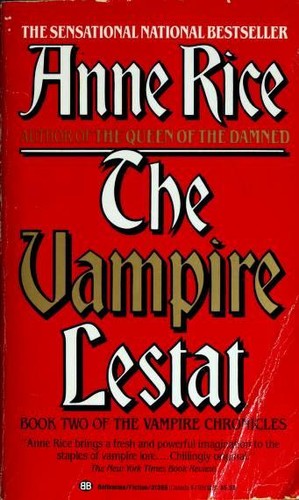
This is the source the AMC season takes its name and its spine from. Published in 1985, it hands the microphone to Lestat, who has read Louis’s mournful account in the first book and finds it insulting. His answer is a full autobiography: a poor actor’s son in eighteenth-century Auvergne, his making into a vampire, his search for older immortals who might explain what he now is, and his eventual second life as a rock star.
The voice is the whole event. Lestat is vain, generous, cruel, and alive to everything, and Rice lets him narrate his own myth with total conviction. If you only read one Rice novel to understand the show, read this one.
Interview with the Vampire
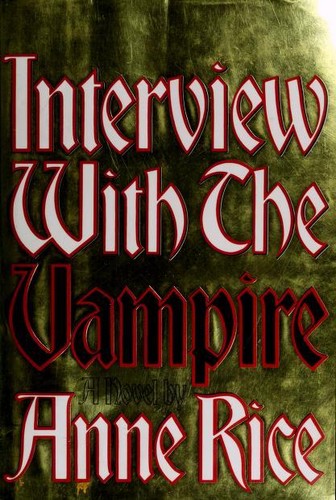
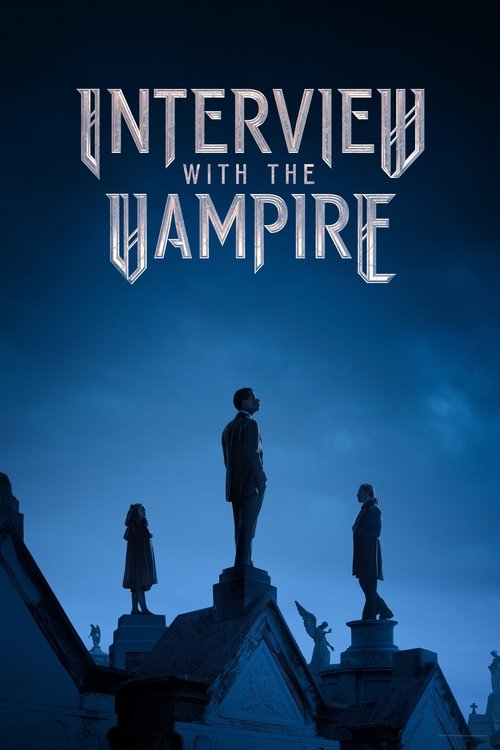
The 1976 debut that started The Vampire Chronicles and the book the AMC universe adapted first. Louis de Pointe du Lac tells a reporter the story of his two centuries as a vampire: his grief, his guilt, his fraught bond with Lestat, and the child vampire Claudia whose making sets the tragedy in motion.
Where The Vampire Lestat is hungry for life, Interview is heavy with regret. Reading them back to back is the point. You get the same events from two temperaments that cannot agree on what happened, and the disagreement is the real subject.
The Queen of the Damned
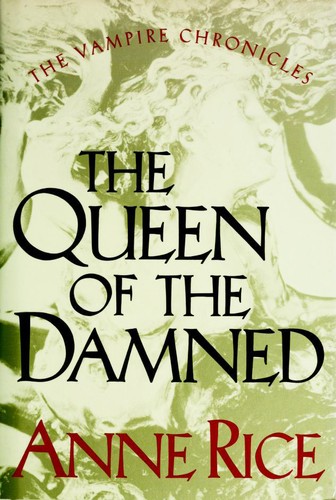
The 1988 third novel opens the world outward. Lestat’s rock stardom wakes Akasha, the six-thousand-year-old mother of all vampires, and the story becomes an origin myth for the entire species. The AMC series draws on this book alongside the second, since Lestat’s personal history and the ancient bloodline’s history are wound together.
This is where the Chronicles become epic rather than intimate. If the earlier books are chamber pieces, this one is the opera.
The Tale of the Body Thief
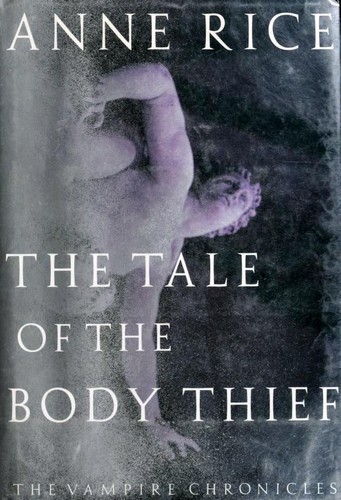
The 1992 fourth novel is smaller and stranger. Lestat, exhausted by immortality, trades bodies with a con man who promises him one day of being human again. The premise sounds like a lark and turns into one of Rice’s most pointed meditations on what the vampires actually lost.
Read this once the core trilogy has its hold on you. It rewards familiarity with Lestat more than it rewards a cold start.
Prince Lestat
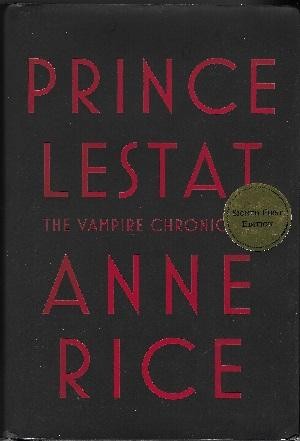
The 2014 novel reopened the series after a long pause and begins the later run. A voice is speaking inside every vampire’s head, driving the old ones to destroy the young, and Lestat is pulled toward a role he never wanted. This is completionist territory: essential if you fell for the world, skippable if you came only for the story the show is telling.
Treat the first five books as the canon and this as the door to everything after.
Beyond Rice: The Tradition She Wrote Against
Rice did not invent the literary vampire. She answered him. These two nineteenth-century books are the arguments The Vampire Lestat is talking back to, and reading them makes the show’s whole stance legible.
Dracula
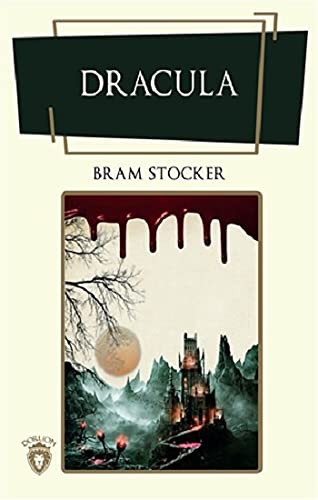
Bram Stoker’s 1897 novel is the vampire as the world understood him before Rice. Count Dracula is never a narrator and never sympathetic. He is a foreign contagion arriving in England, and the book is the record of the men and women who hunt him down. Told through letters, diaries, and telegrams, it keeps the monster at arm’s length on purpose. You only ever see him from the outside.
That distance is exactly what Rice demolished. Where Stoker asks you to help kill the thing, Rice asks you to become it. Read Dracula and the shape of what The Vampire Lestat rejected comes into full view.
Carmilla
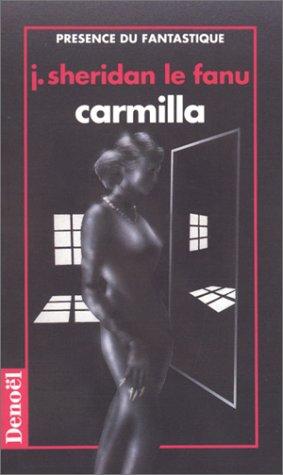
Sheridan Le Fanu’s 1872 novella came a quarter century before Dracula and points the other way down the road, toward Rice. Carmilla is a vampire who arrives as a guest, becomes a beloved companion to the young narrator Laura, and drains her slowly under the cover of intimacy. The horror is close, tender, and laced with desire rather than dread of the foreign.
That closeness is the older root of Lestat. The seductive vampire who lives among the people he feeds on, who is loved as much as feared, comes from this book more than from Stoker’s. Short enough for an evening, and startlingly modern for its age.
The Cross-Media Gothic Stack
The show is a mood as much as a story, and three films hold that mood from three different angles. Watch these alongside the reading, not after it.
Only Lovers Left Alive
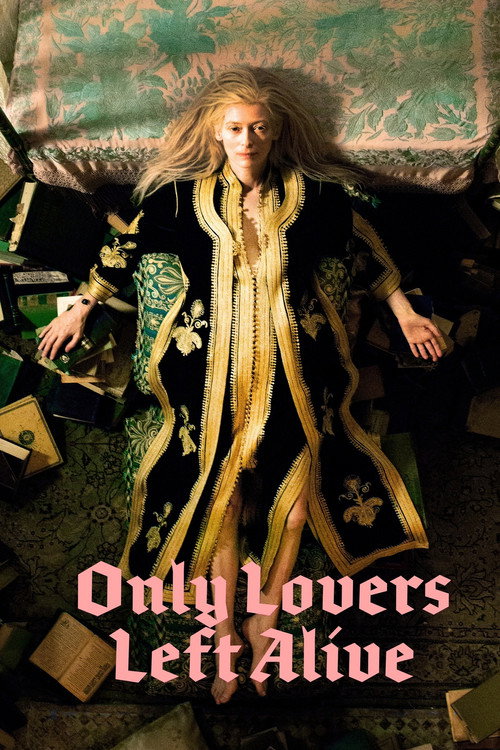
Jim Jarmusch’s 2013 film is the closest tonal cousin to the Rice sensibility on screen. Two centuries-old vampires, played as weary aesthetes, drift through nighttime Detroit and Tangier surrounded by the art and music they have collected across lifetimes. There is barely a plot. There is an overwhelming sense of what immortality does to taste and to love.
This is the Lestat register without Lestat: beauty, boredom, devotion, and the long ache of outliving everything. If the show’s romantic gloom is what holds you, start here.
What We Do in the Shadows
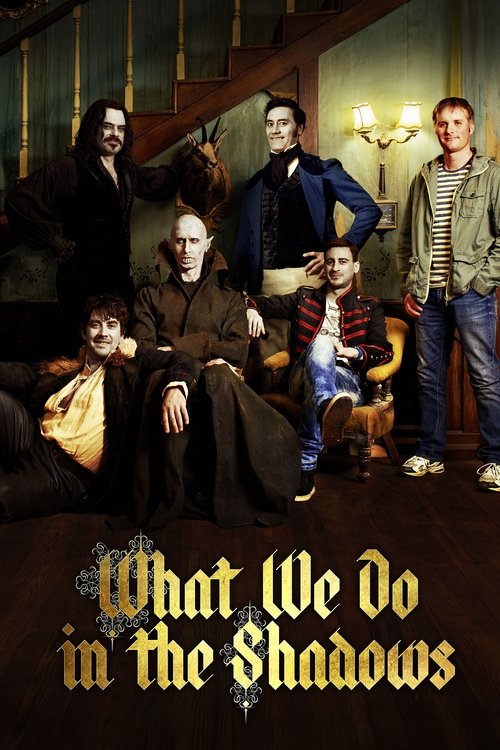
Taika Waititi and Jemaine Clement’s 2014 mockumentary is the tonal counterpoint, and a necessary one. It films a household of ancient vampires as flatmates squabbling over chores and nightlife, and it knows every gothic cliché the Rice tradition takes seriously. The comedy works because it loves the source it teases.
Watch it to keep the register honest. A genre that takes itself as seriously as this one needs to be able to laugh at its own cape, and this film does it with affection.
Nosferatu
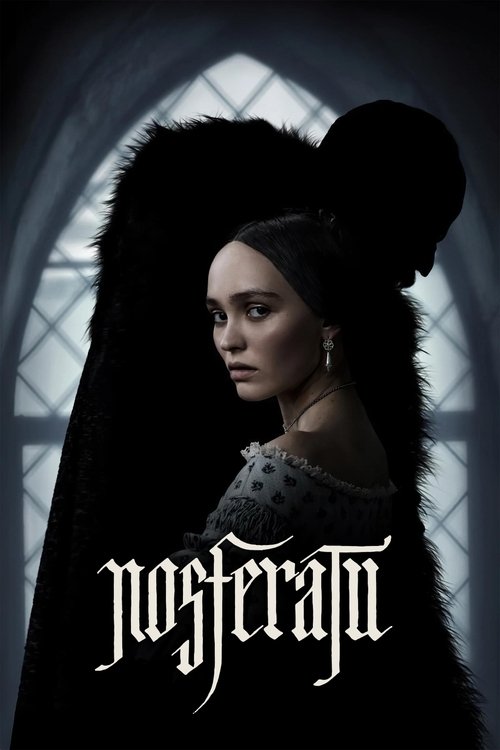
Robert Eggers’s 2024 film is the opposing visual tradition in its purest modern form. It goes back past Rice, past even Stoker’s sympathetic readings, to the vampire as plague and rot and dread. Count Orlok is not a narrator you love. He is a sickness with a shadow, and the film’s whole craft is aimed at making you recoil.
Put it next to Only Lovers Left Alive and you have the two poles of the entire form: the vampire as beloved immortal and the vampire as walking corruption. The Vampire Lestat lives closer to the first pole, but it knows the second one is watching.
Build the Whole Gothic Shelf in Achriom
This list crosses formats on purpose. A show sends you to a pair of novels, the novels send you back to two older books, and three films sit alongside all of it. That is how taste actually moves, and it is exactly the connection a single-format tracker cannot hold, because your books live in one app and your films live in another.
Achriom keeps the whole thread in one library. Log the show, add the Rice novels as you read them, mark the films you watch, and your AI librarian can trace the line running through all of it and tell you what to reach for next.
You will not build a shelf like this in a book app and a movie app and hope they talk to each other. Achriom holds it all in one library: shows, films, books, albums, and anime, with an AI librarian that finds the threads between them, and a full export back out any time. Free to start, no card.
Build your gothic shelf →How These Compare
| Work | Vampire Type | Gothic Register | Moral Complexity of the Monster |
|---|---|---|---|
| The Vampire Lestat | Theatrical immortal, self-mythologizing | High romantic | High, told from inside |
| Interview with the Vampire | Reluctant, guilt-bound | High mournful | High, self-accusing |
| The Queen of the Damned | Ancient, mythic bloodline | Operatic | High, spread across an origin myth |
| Dracula | Foreign predator, hunted | Classic gothic | Low, seen only from outside |
| Carmilla | Intimate seducer, beloved | Sensual gothic | Medium, ambiguous and close |
| Only Lovers Left Alive | Weary aesthete immortals | Melancholic art-house | High, quietly humane |
| What We Do in the Shadows | Everyday household undead | Comic gothic | Played for warmth and laughs |
| Nosferatu | Plague-figure, corruption | Dread-driven expressionist | Low, monstrous by design |
Where to Start
If you want the source of the show: The Vampire Lestat. It is the book AMC named its season for, and Lestat’s voice is the reason the whole thing works.
If you want both sides of the story: read Interview with the Vampire first, then The Vampire Lestat. The second book is an argument with the first, and the argument is better when you have heard the opening statement.
If you want the roots: Carmilla for the intimate ancestor, Dracula for the version Rice rebelled against. Read them close together and the century of vampire fiction between them snaps into shape.
If you want the mood on screen tonight: Only Lovers Left Alive for the romance, Nosferatu for the dread, What We Do in the Shadows when the whole thing needs to breathe and laugh.
The Honest Answer
The Vampire Lestat is doing one specific thing: it takes the oldest villain in gothic fiction and hands him the microphone. Everything on this list either helped make that possible or shows you what it looks like from another angle.
The Rice novels are the essential reading, and the first five are the ones that matter. Dracula and Carmilla are the tradition, the wall Rice pushed off from and the door she walked back through. The three films are the mood in stereo, romantic and dreadful and funny, so you can hear the range the form is capable of.
You do not have to read and watch all of it. But if you loved the show and want to understand where it came from and where it can take you, this is the shelf, and it lives in more than one format on purpose.
Common Questions
What books is The Vampire Lestat based on?
AMC’s The Vampire Lestat adapts Anne Rice’s 1985 novel of the same name, the second book in The Vampire Chronicles. That novel retells the events of Interview with the Vampire from Lestat’s point of view, as his own autobiography and rebuttal to Louis. The series also pulls from The Queen of the Damned, since Lestat’s story and the ancient vampires’ story are braided together across those two books.
What order should I read the Anne Rice Vampire Chronicles?
Publication order gives the cleanest experience: Interview with the Vampire (1976), The Vampire Lestat (1985), The Queen of the Damned (1988), The Tale of the Body Thief (1992), and Memnoch the Devil (1995). Those first five form the core arc. The later run, beginning with Prince Lestat (2014), is for readers who want to stay in the world after the essential story ends.
What is the difference between Interview with the Vampire and The Vampire Lestat?
Interview is Louis telling his side to a reporter: mournful, guilt-ridden, skeptical of Lestat. The Vampire Lestat is Lestat answering back in his own voice, which is theatrical, hungry for life, and delighted to be a monster. The two books cover overlapping events from opposite temperaments, and the AMC seasons follow that same handoff of narrators.
Do I need to read Interview with the Vampire before The Vampire Lestat?
You do not have to, but it helps. The second novel is written as a direct response to Louis’s account, so reading Interview first gives you the version Lestat is arguing with. If you have watched the AMC Interview seasons, you already have that context and can start the novels at either book.
Is Dracula connected to Anne Rice’s vampires?
Not by plot, but by inheritance. Bram Stoker’s 1897 Dracula fixed the vampire as an external evil to be hunted and destroyed. Rice rebuilt the figure from the inside, giving the monster a conscience, a voice, and a point of view. Reading Dracula first shows you exactly what The Vampire Lestat is reacting against.
Where does Carmilla fit into all this?
Sheridan Le Fanu’s 1872 novella Carmilla predates Dracula by twenty-five years and centers a seductive, intimate, morally ambiguous vampire rather than a distant predator. That closeness is much nearer to Rice’s sensibility than Stoker’s is, which makes Carmilla the older ancestor of the whole Lestat tradition.