What to Read After Project Hail Mary
Seven sci-fi novels for fans of Project Hail Mary: first contact, science-as-hero problem-solving, an unlikely alien friendship, and saving the world one experiment at a time.
Some links below are affiliate links. As an Amazon Associate, Achriom earns from qualifying purchases. For books we prefer Bookshop.org, which supports independent bookstores.
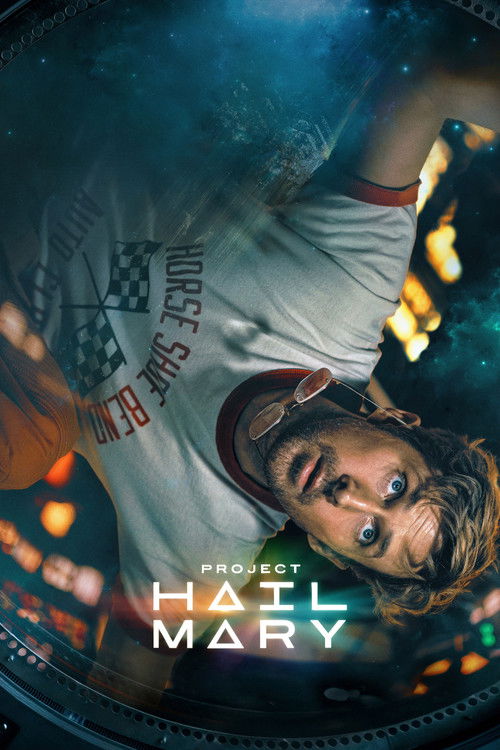
Project Hail Mary hits the exact pleasure center that made The Martian a phenomenon: a person alone against an impossible problem, armed with nothing but science, stubbornness, and a sense of humor. Ryland Grace wakes up with no memory on a spaceship he does not recognize, works out that he is humanity’s last hope against a sun-dimming microbe, and then, wonderfully, makes a friend who is not remotely human.
When the credits roll, the itch is specific. You want more competence and less doom. More figuring-it-out, more wonder, more first contact. These seven novels deliver it, and the first is by the man who wrote the story.
What makes a book feel like Project Hail Mary
The best read-alikes share a particular shape.
Science is the plot, not the set dressing. The tension comes from a real problem being genuinely solved, one experiment, one failure, one insight at a time. You learn something, and the learning is the thrill.
The hero solves, not shoots. These protagonists are competent, curious, and usually funny about it. The victories are earned with brains, not firepower.
Wonder alongside peril. Underneath the stakes is awe: the universe is vast and strange, and it might contain a mind worth meeting.
A voice you want to spend hours with. Weir’s charm is the running monologue. The books here that land hardest have narrators just as good company.
Here is where to go next.
The Martian: Andy Weir
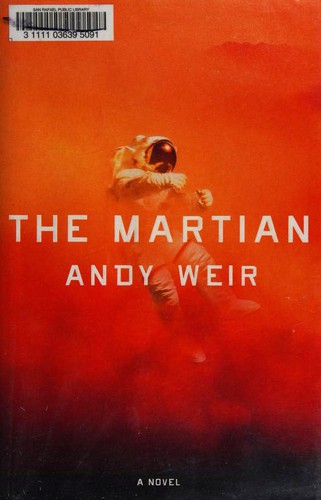
The obvious first stop, because it is the blueprint and it is by the same author. Mark Watney is left for dead on Mars and has to survive with botany, chemistry, duct tape, and a logbook full of jokes. It is the purest distillation of the Project Hail Mary feeling: one person, one planet, an endless series of problems, each solved on the page in a way that makes you feel smart for keeping up.
If you loved watching Ryland Grace work the astrophage problem, this is more of that, dialed to its cleanest form. Start here.
Children of Time: Adrian Tchaikovsky
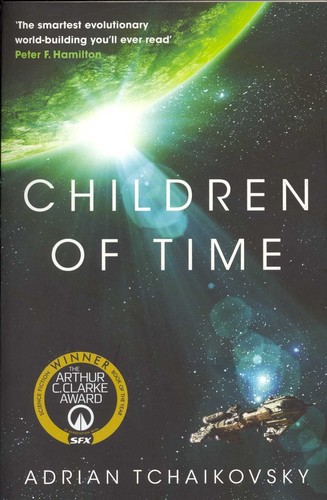
If the best part of Project Hail Mary was Rocky, this is your book. Tchaikovsky follows the rise of a species of intelligent spiders over generations, alongside the last remnants of humanity searching for a new home, and builds toward a first contact that is genuinely alien and genuinely moving.
It is a slower, grander read than Weir, but it does the one thing Project Hail Mary does best, better than almost anyone: it makes you feel the wonder and difficulty of understanding a mind that is nothing like your own. The payoff is one of the great first-contact moments in modern sci-fi.
We Are Legion (We Are Bob): Dennis E. Taylor
The closest match in tone. Bob dies, wakes up a century later as the computerized mind of a self-replicating space probe, and sets off to explore the galaxy, copying himself as he goes. It is funny, curious, and completely in love with the joy of solving problems, from building things out of asteroids to shepherding humanity’s survivors.
If Weir’s dry, delighted competence is what you are chasing, the Bobiverse is the series that scratches it best, and there are several more books once you are hooked.
Dark Matter: Blake Crouch
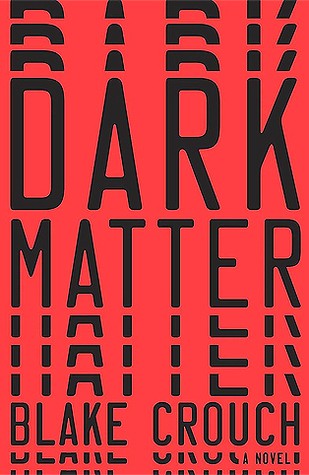
The page-turner. Jason Dessen, a physics professor, is abducted and wakes up in a life that is not his, and the only way home is to out-think the impossible. Crouch writes propulsion the way Weir writes competence: you do not stop.
It trades hard-science accuracy for high-concept momentum, but it keeps the core intact, an ordinary smart person facing an extraordinary problem with nothing but their own mind. Read it when you want Project Hail Mary’s velocity without needing the chemistry to check out.
All Systems Red: Martha Wells
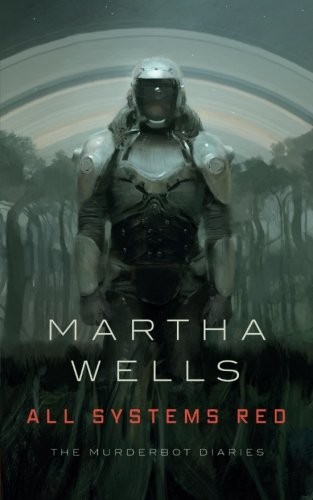
Meet Murderbot, a security android that has hacked its own governor module and mostly wants to be left alone to watch soap operas, except the humans it is assigned to protect keep nearly dying. Wells’s novella is short, sharp, and hilarious, narrated by one of the best voices in recent sci-fi.
The connection to Project Hail Mary is the reluctant-competence comedy: a protagonist who is very good at the job and very funny about how little it wants the job. Bonus, it is now an Apple TV+ series, so it is a cross-media thread of its own.
Sea of Tranquility: Emily St. John Mandel
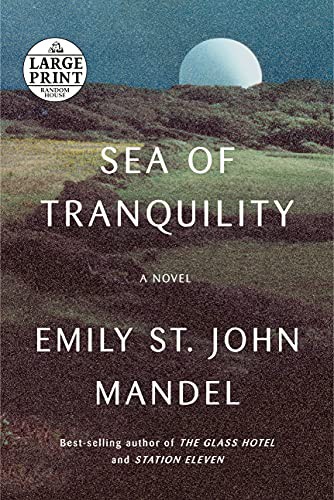
For when you want the wonder without the hardware. Mandel’s novel moves across centuries, from a colony on the moon to a pandemic on Earth to a time-travel investigation, and quietly asks what it means to be alive in a strange universe. It is the literary end of this list, more interested in feeling than in physics.
It belongs here because Project Hail Mary, under its problem-solving, is really about connection and hope. Sea of Tranquility is that theme in its most beautiful form.
Ender’s Game: Orson Scott Card
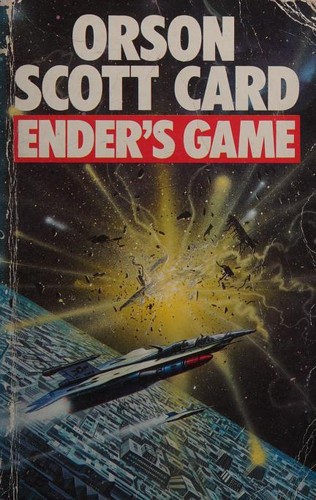
The classic that most of this list descends from. A brilliant child is trained through impossible simulations to save humanity from an alien species, and the twist reframes everything. It is the save-the-world, one-exceptional-mind story in its most influential form.
Read it for the lineage. Half the tropes Project Hail Mary plays with started here, and it remains one of the most propulsive entry points into the genre.
The thread you can only see across formats
Here is what a book-only shelf misses. You did not go looking for hard sci-fi one afternoon. A movie sent you. The line runs from Ryland Grace on a screen to Andy Weir on the page to five more writers who chase the same feeling, and that line is the single most useful thing about your taste, because it predicts what you will love next.
A single-medium tracker logs your books in one silo and forgets that a film is what started the whole thread. Achriom keeps the movie and the novels in one library, and the AI librarian reads the connection between them: finish Project Hail Mary, and it hands you The Martian; finish Children of Time, and it points you back to the next film that carries the same wonder.
Want the movie and the books in one place? Achriom tracks what you watch alongside what you read, with an AI librarian that finds the thread between them and picks your next one. That is the part no single-format tracker can do.
Try Achriom free →The list at a glance
| Book | Author | Closest to the film for | Read it if you want |
|---|---|---|---|
| The Martian | Andy Weir | The exact feeling | More survival-by-science |
| Children of Time | Adrian Tchaikovsky | The alien friendship | The wonder of first contact |
| We Are Legion (We Are Bob) | Dennis E. Taylor | The wry competent voice | Funny galaxy-spanning problem-solving |
| Dark Matter | Blake Crouch | The momentum | A thriller you cannot put down |
| All Systems Red | Martha Wells | The reluctant-competence humor | A short, sharp, funny hit |
| Sea of Tranquility | Emily St. John Mandel | The heart under the science | Wonder without the hardware |
| Ender’s Game | Orson Scott Card | The save-the-world core | The genre’s roots |
Where to start
For exactly the same feeling: The Martian. Same author, same joy, no ramp-up required.
For the Rocky-shaped hole in your heart: Children of Time. The best alien mind in modern sci-fi.
For a series to disappear into: We Are Legion. The Bobiverse will keep you busy for months.
For a single night you will lose: Dark Matter or All Systems Red, depending on whether you want a thriller or a laugh.
The honest answer
Project Hail Mary works because it believes two things at once: that the universe is a hard, dangerous place, and that a clever, decent person can meet it with curiosity instead of despair. The books that match it best believe the same. Start with The Martian for the purest hit, then let your mood choose: Children of Time for wonder, We Are Legion for company, Dark Matter for speed, Sea of Tranquility for the ache underneath it all.
And if you would rather not lose the thread, keep the film and the novels in the same place. The line from what you watched to what you read next is not trivia. It is the most reliable map you have to your own taste.