The Music of Euphoria: What to Listen to After
How Labrinth's score works, what the needle drops are actually doing, and the eight albums to listen to when the season ends.
Some links below are affiliate links. As an Amazon Associate, Achriom earns from qualifying purchases. For books we prefer Bookshop.org, which supports independent bookstores.
If the Euphoria soundtrack is the reason you kept Shazam open through every episode, here is where to go next: Labrinth’s two score albums, then Arca, some kind of peace by Ólafur Arnalds, and All Melody by Nils Frahm for the orchestral-electronic register, and Depression Cherry by Beach House, Ruins by Grouper, Born to Die by Lana Del Rey, and Be the Cowboy by Mitski for the needle-drop feeling.
Euphoria is the most music-forward drama on television, and that is a design decision, not a garnish. The show spends real money and real screen time on sound because the music is doing narrative work the dialogue refuses to do. Which means when the season ends, the listening does not have to.
Below: how the score actually works, what the needle drops reveal about the show’s emotional agenda, and the albums that hold the feeling afterward.
What the Euphoria Sound Actually Is
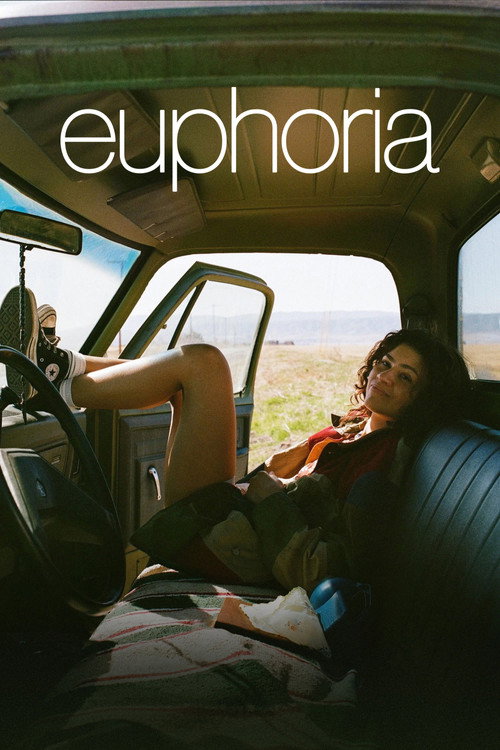
Two separate systems run through every episode, and knowing the difference tells you what to listen for.
The score is Labrinth. Gospel choirs, detuned synths, orchestral swells that arrive thirty seconds before you understand why. It is melancholic and enormous at the same time, sacred music deployed over profane teenage chaos. That contrast is the show’s whole thesis: these kids’ small disasters deserve the scale of a requiem.
The needle drops are curation. Music supervisor Jen Malone places existing songs, and the placements have a consistent logic. Sincere older songs score self-deception. Dream pop scores falling in love. The song choice tells you whether to trust what a character is feeling, which is information the camera withholds.
The albums below follow both threads. Some extend the score’s register. Some extend the needle drops’ emotional territory. All of them work as albums, start to finish, because Euphoria’s music engagement is album-brain engagement: people who Shazam a TV show are people who want the whole record.
Euphoria (Original Score from the HBO Series): Labrinth
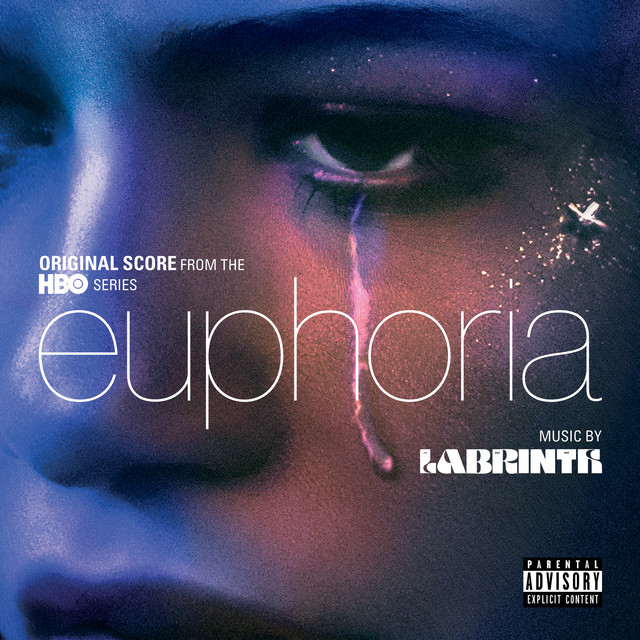
Start with the source. The season one score album is 26 tracks, and it plays as a real record rather than a cue dump. “Forever” is the piece that became the show’s signature, a choral swell that keeps ascending past where a normal song would resolve. “Still Don’t Know My Name” turns a scrap of vocal into a full possession. “All For Us” closes both the album and the season, with Zendaya singing over a gospel arrangement while Rue relapses, the show’s single most audacious sequence.
What makes Labrinth’s score work is that it never comments on the characters from above. It feels the way they feel: too much, too fast, with total conviction. The season two score deepens the palette, and “I’m Tired,” the church piece from Rue’s lowest episode, might be the best single thing he has written.
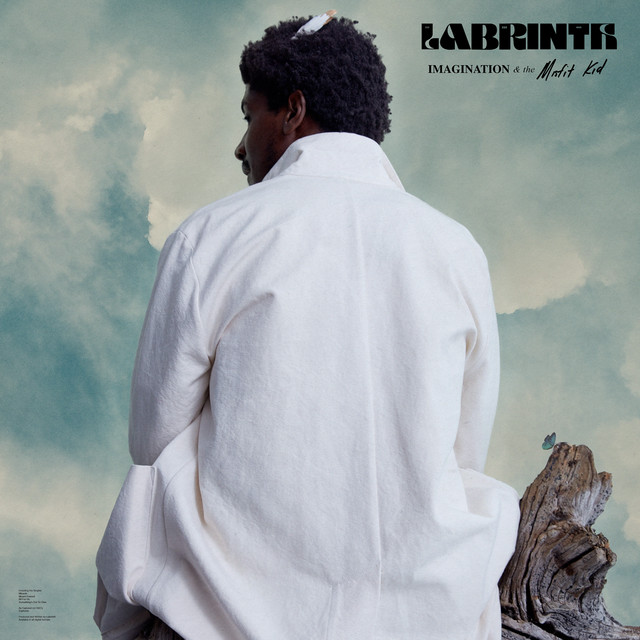
Then go to Imagination & the Misfit Kid, Labrinth’s 2019 solo album, made in the same period with the same maximalist instincts. It is the score with pop structure attached, and it answers the question of what this sound does when it is not serving a scene.
Arca: Arca
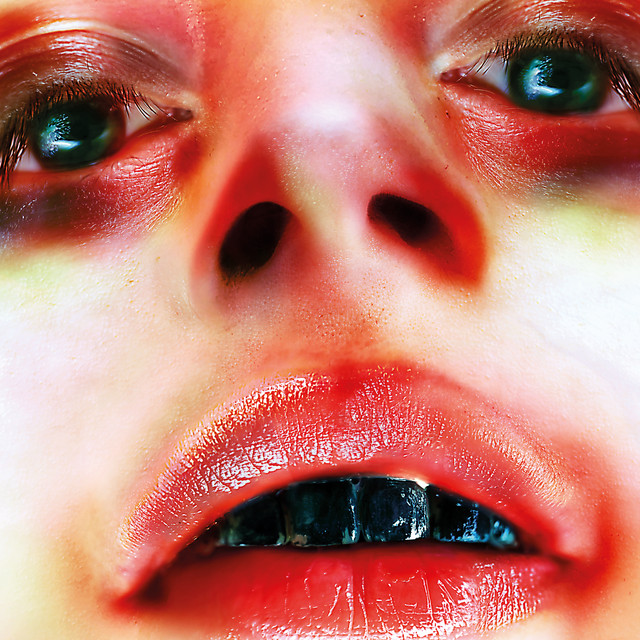
The 2017 self-titled album is where to go when you want the score’s beauty with the safety rails removed. Arca sings in Spanish over electronics that sound like they are dissolving mid-note, and the effect is operatic grief run through broken hardware. It is the most emotionally naked album on this list.
The connection to Labrinth is structural. Both treat the voice as an instrument of excess, both let orchestral gestures collide with synthetic decay, and both believe that overwhelming feeling deserves overwhelming sound. Arca is less comfortable than the score, deliberately. Where Labrinth resolves, Arca fractures. If “I’m Tired” wrecked you, this is the album-length version of that wreckage.
some kind of peace: Ólafur Arnalds
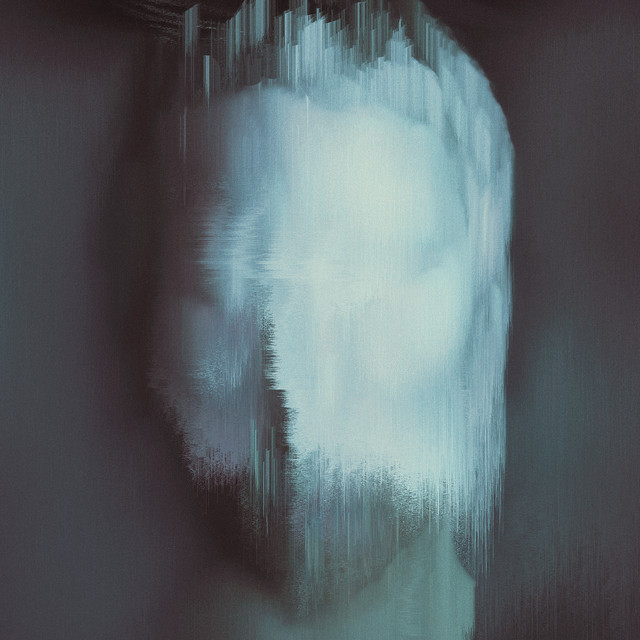
The gentlest record here, and the one for the comedown. Arnalds writes for piano and strings threaded with soft electronics, and some kind of peace is his most intimate album, recorded close enough that you hear the pedal mechanics and the room.
This is the Euphoria score’s register at a whisper instead of a scream. The melancholy is the same. The scale is inverted. Where Labrinth builds cathedrals, Arnalds builds a small room with one window, and after a season of that show, the small room is what you need. Listen at night, in one sitting.
All Melody: Nils Frahm
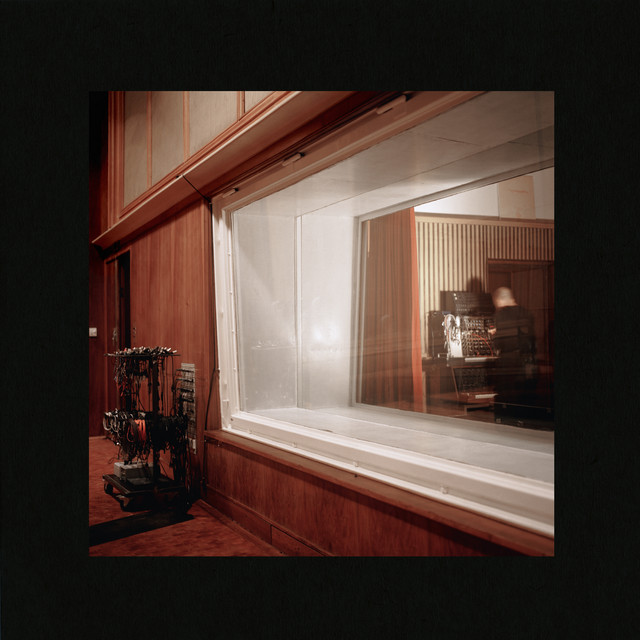
Frahm sits between the two poles above: acoustic piano and pipe organ on one side, analog synthesizers and choir on the other, all recorded in a studio he built inside a former East German broadcast complex. All Melody is the record where his two halves fully merge, and its longer tracks build with the same patient inevitability as Labrinth’s best cues.
This is the album for people who realized, somewhere in season two, that what they actually loved was the score’s architecture: the way a piece assembles itself from almost nothing into something massive. Frahm does that assembly in real time, and hearing it happen over nine minutes instead of ninety seconds is its own reward.
The Needle Drops, Decoded
Before the rest of the list, it is worth naming what the show’s song placements are doing, because the pattern is consistent and it tells you what to listen for.
“Space Song” by Beach House appears in season one at the moment Rue’s feelings for Jules stop being deniable. Dream pop is the show’s shorthand for love that feels like floating, which is to say love that has not yet touched the ground.
“Right Down the Line” by Gerry Rafferty scores the imagined Rue and Jules montage in season two, episode four. A perfectly sincere 1978 soft-rock devotion song, placed over a fantasy. The show uses warm, unironic older songs when a character is believing something that is not quite true, and the warmth is what makes it hurt.
“Never Tear Us Apart” by INXS plays through Cal’s flashback episode, scoring the life he did not choose. Again the pattern: the more sincere the song, the less reliable the feeling it accompanies.
The rule underneath all of it: Euphoria’s needle drops are never decoration. They are testimony about what a character wishes were true. The four albums below live in that same territory, longing rendered so beautifully you almost miss that it is longing.
Depression Cherry: Beach House
The obvious next move, and the correct one. “Space Song” is here, and the other eight tracks hold the same suspended atmosphere: organ drones, drum machines that tick like slowed clocks, Victoria Legrand’s voice arriving from somewhere above the mix.
Depression Cherry is an album about the gap between how love feels and what love is, which is exactly the gap Euphoria mines in the Rue and Jules story. Beach House albums are all strong, but this one has the highest concentration of the floating feeling the show borrowed. If the “Space Song” scene is your favorite moment in the series, this is the least risky purchase on the list.
Ruins: Grouper
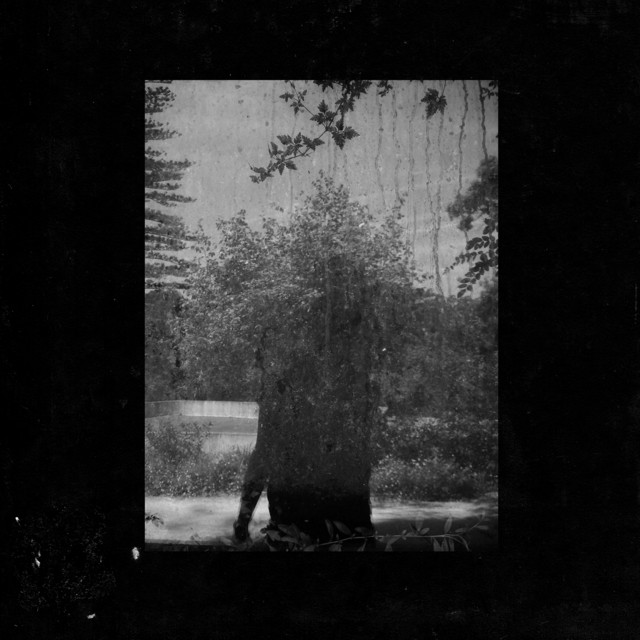
Liz Harris recorded most of Ruins alone in a house in Portugal with a piano, a four-track, and whatever sounds came through the walls. Frogs. Rain. At one point, a microwave beep she left in. It is the barest album here and the one that goes furthest inward.
The Euphoria connection is Rue at her most stripped down, the bottle episodes and the quiet aftermaths, the show with all its glitter removed. Grouper makes music about what is left when everything performative burns off. It asks more of you than anything else on this list. It also gives back the most, if you meet it in the right room at the right hour.
Born to Die: Lana Del Rey
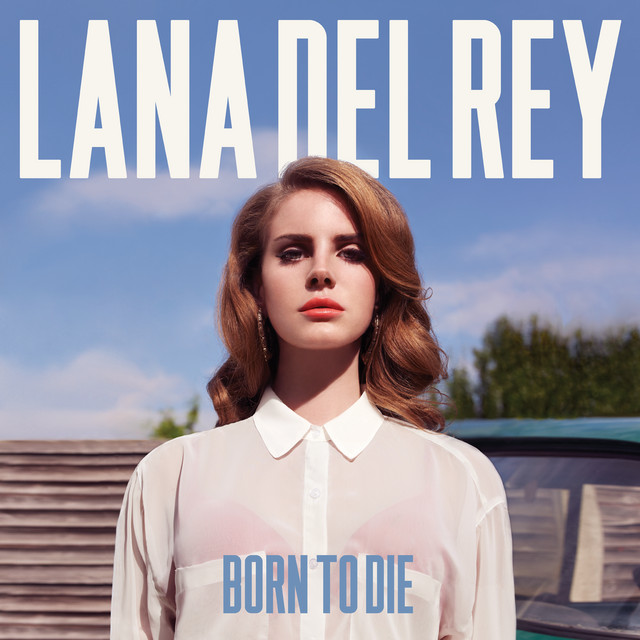
Early Lana is load-bearing for Euphoria’s whole aesthetic. The doomed glamour, the cinematic self-mythology, the teenage conviction that your sadness is a widescreen film: Born to Die built that language in 2012, and the show inherited it wholesale. Cassie’s entire arc is a Lana song made flesh.
The album holds up better than its initial reviews suggested, precisely because what critics heard as artifice was the subject. These are songs about a girl narrating her own life as a tragedy because tragedy is the only genre that takes her seriously. That is also a one-sentence description of half the characters on the show. Play “Video Games” and “Ride” and try to argue the DNA is not direct.
Be the Cowboy: Mitski

The sharpest writing on this list. Mitski compresses whole relationships into two-minute songs, and Be the Cowboy is her study of loneliness wearing costumes: the performer, the wife, the girl at the party who is fine. “Nobody” makes isolation danceable. “Two Slow Dancers” closes the album with the saddest song about nostalgia this decade produced.
The Euphoria kinship is the discipline of it. The show’s best episodes, like Mitski’s best songs, understand that the most devastating material needs the most control. If the series’ quietest scenes are the ones that stay with you, the ones where a character finally says the true thing plainly, this album is that sensation eleven times in a row.
Track the Show and the Sound in One Library
A show like Euphoria makes the case that media does not stay in its lane. You watched a drama and came out with a playlist. The score sent you to Arca, the needle drops sent you to Beach House, and a year from now you will not remember which show started the thread.
Achriom keeps that thread intact. Log Euphoria in your library, log the Labrinth score and the albums it led you to, and your AI librarian can trace the connection later: what sent you here, what it shares with the rest of your collection, what to reach for next. We did the same exercise for the music of The Bear, and the through-lines between people’s shows and their records are consistently the most revealing thing in a library.
You just Shazamed a TV show. That is a cross-media library asking to exist. Achriom tracks your shows, films, books, albums, and anime in one place, with an AI librarian that connects them: log the season, log the score, and ask what ties them together. Full export back out any time. Free to start, no card.
Import your library →How the Albums Compare
| Album | Extends | Closest character register | Emotional function |
|---|---|---|---|
| Euphoria (Original Score) | The source | Rue | The full requiem, as written |
| Imagination & the Misfit Kid | The score | The show’s maximalism | Labrinth with pop structure |
| Arca | The score | Rue at bottom | Beauty with the rails removed |
| some kind of peace | The score | The aftermaths | The comedown, at a whisper |
| All Melody | The score | The architecture | The build, in real time |
| Depression Cherry | The needle drops | Rue and Jules | Love as floating |
| Born to Die | The needle drops | Cassie | Doomed glamour, widescreen sadness |
| Be the Cowboy | The needle drops | The quiet scenes | Loneliness under total control |
| Ruins | Both | Rue, alone | What remains when the glitter burns off |
Which to Listen to First
If the score is what you loved: start with the season one score album itself, then Arca. The distance between them is shorter than it looks, and Arca answers the question of how far this sound can go.
If the needle drops are what you loved: Depression Cherry. It is the show’s single most famous placement extended to album length, and it will tell you quickly whether the dream pop lane is your lane.
If you want the show’s aesthetic ancestry: Born to Die. Half of Euphoria’s visual and emotional language was already on this record in 2012.
If you want the gentlest landing: some kind of peace. One sitting, low light.
If you want the deepest cut: Ruins. Not background music, not for everyone, and the most rewarding album here if it lands.
The Honest Answer
Euphoria’s music works because the show treats teenage feeling as a subject worthy of orchestras, and both of its musical systems serve that premise. Labrinth’s score grants the characters a scale their lives will never grant them. The needle drops testify to what they wish were true. Neither layer is decoration, and that is why the soundtrack gets Shazamed more than any other show on television: the music is carrying meaning, and audiences can feel the weight even when they could not name it.
The albums on this list carry the same weight in different hands. Labrinth and Arca and Frahm extend the score’s conviction that feeling deserves architecture. Beach House, Lana, Mitski, and Grouper extend the needle drops’ territory: longing, self-mythology, control, and what is underneath all three.
You do not need all nine. But the show already taught you how to listen to them. That is what it was doing all along.
Common Questions
Who does the music for Euphoria?
Labrinth composes the original score, the choral and orchestral-electronic material that recurs across both seasons. The needle drops are curated by music supervisor Jen Malone, whose credits also include Atlanta. The show’s sound comes from how deliberately those two layers are interleaved.
What is the Euphoria theme song?
There is no traditional opening credits theme. The recurring musical identity people usually mean is Labrinth’s score motifs, especially “Forever” and “When I R.I.P.” The song most searched after the season one finale is “All For Us,” performed by Labrinth and Zendaya.
Is the Euphoria score on streaming?
Yes. The season one score was released in 2019 as Euphoria (Original Score from the HBO Series), and the season two score followed in 2022. Both are on major streaming platforms, alongside official compilations of each season’s featured songs.
What Beach House song is in Euphoria?
“Space Song,” from Depression Cherry (2015). The placement sent a nine-year-old track back up the streaming charts, and the full album sustains the same suspended feeling for its entire runtime.
What song plays during the Rue and Jules montage in season 2?
Gerry Rafferty’s “Right Down the Line” (1978), over the imagined romantic montage in episode four. The sincerity of the song against the unreality of the sequence is deliberate: the show reaches for warm older songs when a character believes something that is not quite true.
Will Labrinth score Euphoria season 3?
He is expected to return, and the score has been inseparable from the show’s identity since the pilot. Specifics about new music tend to surface close to the premiere. Until then, the two existing score albums are the deepest preparation available.