What to Watch After Normal People (And What to Read Next)
Loved Normal People? Here is the cross-media map: the Sally Rooney novel behind it, four films with the same intimate texture, and the books to read next.
Some links below are affiliate links. As an Amazon Associate, Achriom earns from qualifying purchases. For books we prefer Bookshop.org, which supports independent bookstores.
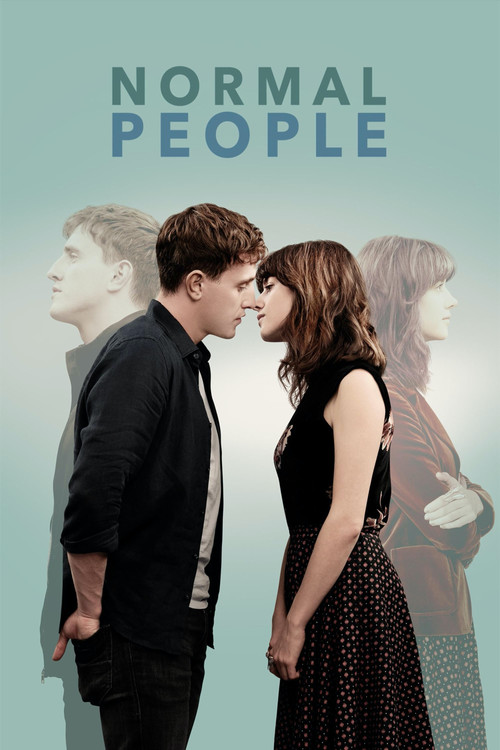
If you loved Normal People, the next thing you want is not a plot. It is a feeling: two people who cannot say the thing, watched so closely you can see them not saying it. That feeling lives in two directions at once. Read the Sally Rooney novel the show is built on, then follow the texture outward into film. Watch four movies that move the same way, then follow it back into books that carry the same charge.
This works whether you came to Normal People through the show or the page. Show-only viewers get a reading list. Book readers get films that match what Rooney does on the sentence level. Below is the map, sorted by what actually connects these works, not by genre shelf.
What to look for in a Normal People follow-up
The mistake is searching for another will-they-won’t-they. Plenty of stories have that shape and none of the feeling. What made Normal People land runs on three things worth naming, because they are what you are actually chasing.
Intimacy as texture, not event. The show gives weight to small physical facts: a hand on a neck, a pause on the phone, the geography of a shared bed. The emotion is in the grain, not the milestones. A good follow-up treats closeness as something you watch rather than something that gets announced.
Class as a live wire. Marianne has money and no belonging. Connell has belonging and no money. That imbalance runs under every scene and never resolves into a lesson. The stories that echo Normal People understand that class shapes how people love, not only where they live.
The will-they-won’t-they with real stakes. The pull between two people works only when staying apart costs something true. In Rooney it is miscommunication, pride, and the fear of being known. The follow-ups worth your time keep that friction honest instead of manufacturing it.
Hold those three in mind and the list sorts itself.
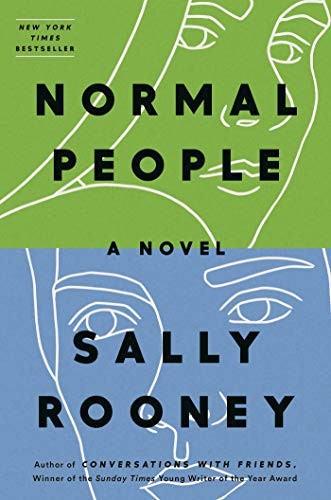
The source: Normal People by Sally Rooney
Start here if you only saw the show. The 2018 novel is where Marianne and Connell were built, and it does something the camera cannot: it lives inside their heads at the exact moments they go quiet on screen. The series is a faithful adaptation, close enough that reading feels like rewatching with the interiors filled in. You learn what Connell is thinking in the silence the show holds on his face.
Rooney’s prose is plain on the surface and precise underneath. No quotation marks, no ornament, just the small movements of two people trying and failing to be legible to each other. If the show’s restraint drew you in, the book is where that restraint was invented.
Once you finish it, you have three more Rooney novels waiting, and they are the surest bet on this entire list. More on those below.
Watch after Normal People
Four films that share the show’s texture. None are about the same events. All of them move the way Normal People moves.
Aftersun

Charlotte Wells’ 2022 debut is a father and daughter on a package holiday in Turkey, remembered years later by the grown woman she becomes. It has almost no plot and an ocean of feeling. Like Normal People, it builds emotion out of small observed moments and lets you assemble the ache yourself. The camera watches love that cannot fully reach across a gap, which is the exact register the show worked in. Bring tissues and patience. It rewards both.
Portrait of a Lady on Fire
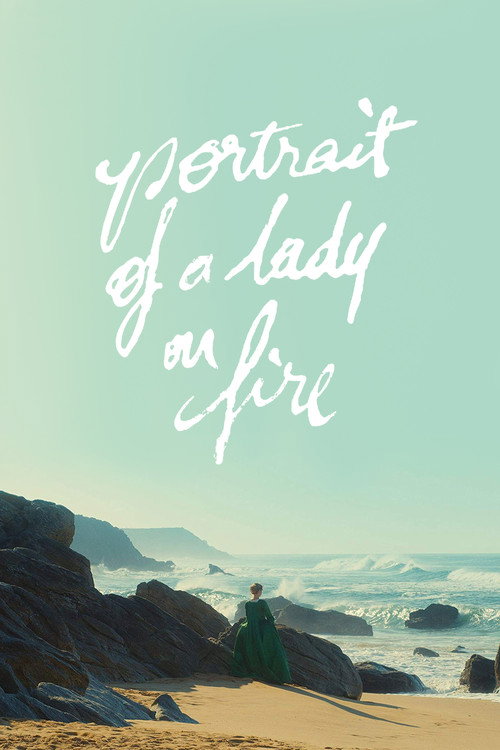
Céline Sciamma’s 2019 film is a painter and her subject on an isolated French island in the eighteenth century, falling into a love with a deadline built in. It is the purest study of looking as intimacy you will find. Every glance is charged, every restraint deliberate, and the class and gender constraints pressing on the two women give the longing the same structural weight that money and status carry in Normal People. If you loved how the show made a held gaze feel like an event, this is your film.
Weekend
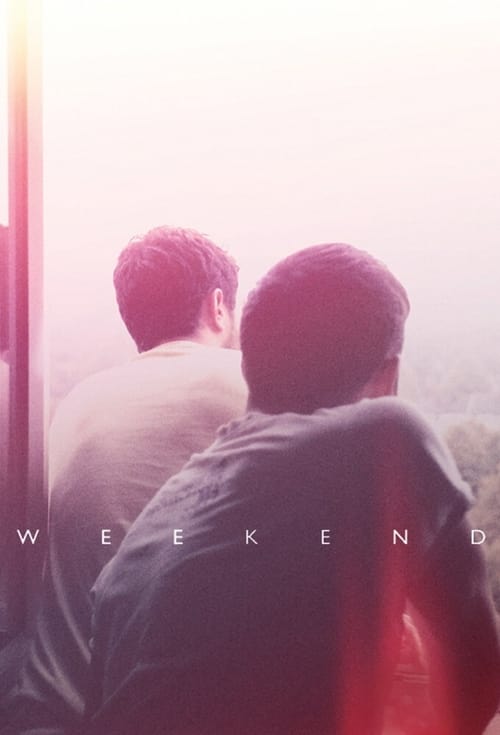
Andrew Haigh’s 2011 film covers two days between two men who meet on a Friday night and know their time is short. It is talky, tender, and unglamorous in the best way, closer to real conversation than almost anything else on this list. Haigh shares Rooney’s gift for letting people circle the thing they mean before they say it. The intimacy is verbal and physical at once, and the class textures of British life sit quietly under every exchange.
Call Me by Your Name
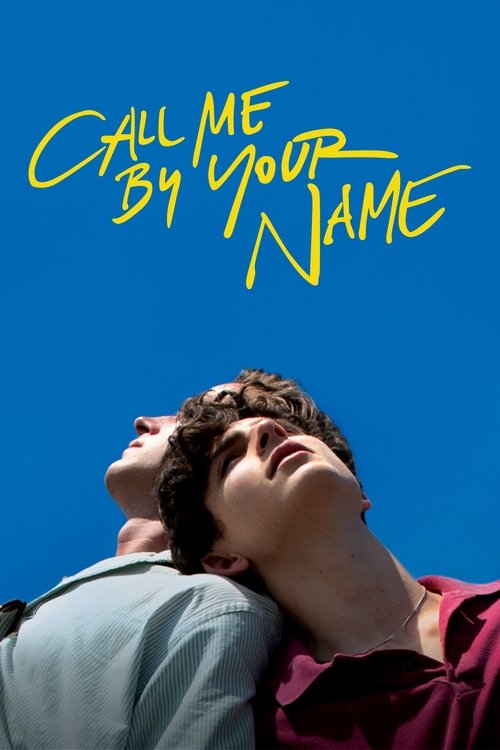
Luca Guadagnino’s 2017 film is a summer in northern Italy and a first love that both people know will end when the season does. It is warmer and more sensuous than Normal People, but it runs on the same engine: desire that cannot say its own name, closeness measured in glances and delay. The famous final shot does what Rooney does on the page, which is to hold on a face long enough that the feeling becomes unbearable and complete.
Read after Normal People
If the show or the novel left you wanting more of that specific voice, these four books carry it forward. The first two are Rooney herself. The last two are the writers working closest to her wavelength.
Conversations with Friends
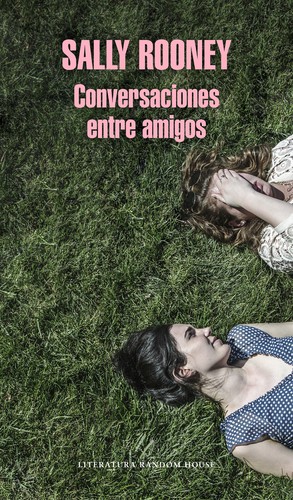
Rooney’s first novel, from 2017, is the natural next read. Two former girlfriends, now best friends, become entangled with an older married couple, and the emotional geometry gets complicated fast. It has the same forensic attention to power and feeling as Normal People, applied to four people instead of two. The 2022 series adaptation came from much of the same team, so you can watch it after if you want the full loop.
Beautiful World, Where Are You
Rooney’s third novel, from 2021, is her most reflective. Two friends in their late twenties write each other long emails about art, faith, and the state of the world while their love lives quietly fall apart and back together. It trades some of Normal People’s momentum for depth, and if you loved the show for its thoughtfulness more than its romance, this is the Rooney book that will hold you longest.
Exciting Times
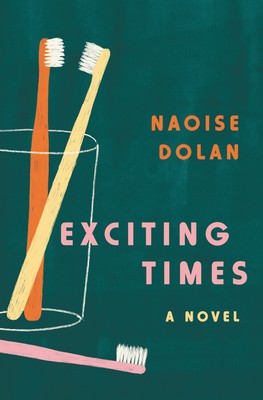
Naoise Dolan’s 2020 debut is set in Hong Kong, where an Irish expat teaching English gets caught between a wealthy banker and a Hong Kong lawyer. Dolan is often compared to Rooney and earns it, with the same dry precision about class, money, and the way people withhold themselves. The narrator’s voice is sharper and funnier, which makes the emotional exposure hit harder when it comes.
Open Water
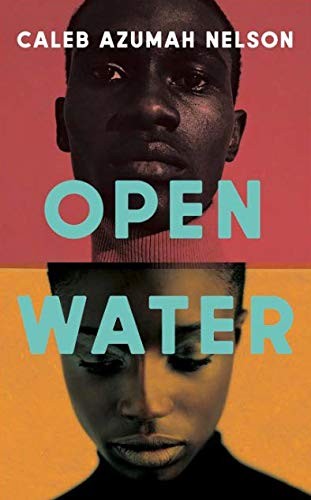
Caleb Azumah Nelson’s 2021 novel is a love story between two young Black British artists in London, written in a close second person that puts you inside the relationship rather than beside it. It is short, lyrical, and almost unbearably intimate. Nelson adds something Rooney does not: race and the weight it places on the body and on public space. If you want the Normal People feeling in a fresh voice, start here.
Track the whole thread in one place
Here is where Achriom fits. You just built a list that crosses formats: a show, a novel it came from, three more novels, and four films. That is the problem with a story that lives everywhere. The show goes in one app, the books in another, the films in a third, and the thread connecting them disappears the moment you leave this page.
Achriom holds all of it in one library and lets your AI librarian talk about the connections. Mark Normal People as watched, add the Rooney novels to your reading list, save the four films to a watchlist, and ask why they belong together. The librarian knows your collection and can trace the texture from Aftersun to Open Water because it sees across every format you track.
Normal People sent you across four formats. Do not scatter the trail. Achriom is one library for your shows, films, books, albums, and anime, with an AI librarian that connects them and a full export back out any time. Free to start, no card.
Build your Normal People shelf →How these follow-ups compare
Sorted by the three things that actually carry the Normal People feeling.
| Work | Intimacy texture | Class awareness | Will-they-won’t-they |
|---|---|---|---|
| Normal People (novel) | The source. Interior, plain, relentless | Central and unresolved | The original ache |
| Aftersun | Memory as texture, wordless | Quiet, working-class holiday | A gap you cannot cross |
| Portrait of a Lady on Fire | Looking as intimacy, painterly | Class and gender as walls | Love with a deadline |
| Weekend | Verbal and physical, unforced | British class sits underneath | Two days, then gone |
| Call Me by Your Name | Sensuous, glance-driven | Privilege and summer ease | Ends with the season |
| Conversations with Friends | Forensic, four-cornered | Money and power throughout | Tangled, adult |
| Beautiful World, Where Are You | Reflective, epistolary | Success and its guilt | Slow, mature |
| Exciting Times | Dry, sharp, withholding | The live wire of the book | Two suitors, real cost |
| Open Water | Close second person, tactile | Race and class together | Intimacy under pressure |
Which should you pick first
If you saw the show and never read the book, read the novel before anything else. It is the same story with the volume turned up on everything the camera kept private.
If you have read all of Rooney and want film, watch Aftersun for the ache and Portrait of a Lady on Fire for the looking. They are the two that most people who love Normal People end up loving.
If you want a new voice on the page, go to Exciting Times for the wit or Open Water for the tenderness. Both prove the Normal People feeling was never only Rooney’s to write.
And if you want the show’s exact emotional register in another visual medium, Weekend and Call Me by Your Name are the closest films by feel, one restrained and British, one warm and Italian.
The honest answer
There is no second season of Normal People and there does not need to be. The story is finished, and what you are really looking for is more of its feeling: closeness watched closely, love shaped by class, two people who cannot quite say the thing. Read the Rooney novel first, then let the texture pull you outward into film and back into books.
The works above are the map. The reason to keep them in one place is simple: a story this good rarely stays inside one format, and the connections are half the pleasure. Track the show, the novels, and the films together, and the thread stays visible instead of scattering across four apps.
Start your Normal People shelf at achriom.com and let your librarian trace the rest.
Common questions
Is Normal People a true story? No. It is fiction, written by Sally Rooney and drawn from the emotional world she knows rather than real events. The realism people respond to comes from how closely it observes ordinary feeling, not from any true-life source.
Do I need to read the book before watching, or after? Either works. The show is a faithful adaptation, so reading after gives you the interior version of scenes you already know, while reading first gives you the fuller story before the faces attach to it. Most people watch first and read to stay in the world longer.
Are the Rooney novels connected to each other? No, each stands alone with its own characters. What connects them is voice and preoccupation: young people, class, communication, and the difficulty of being known. You can read them in any order, though Conversations with Friends came first and pairs most naturally with Normal People.
Which film is the saddest? Aftersun tends to hit hardest, because its sadness arrives in retrospect and builds quietly until it lands all at once. Call Me by Your Name is a close second for its ending. All four films carry the bittersweetness that made the show ache.
Can I keep my books, shows, and films in the same library? Yes. Achriom is built for exactly this: one place for shows, films, books, albums, and anime, with an AI librarian that connects them across formats and a full export whenever you want your data back. It is free to start.