The Best Album Tracker for People Who Also Read and Watch
A frank comparison of the best apps for tracking albums in 2026, plus which one fits if you also track books and films in the same place.

Some links below are affiliate links. As an Amazon Associate, Achriom earns from qualifying purchases. For books we prefer Bookshop.org, which supports independent bookstores.
The best album tracker for most people is Last.fm, if all you want is automatic scrobbling. If you want to actually curate a music library, rate albums, build a record of what you have heard and loved, and keep it next to your books and films, that is a different question with a different answer.
This guide covers the five apps people actually use to track albums in 2026: Last.fm, Rate Your Music, Apple Music, Discogs, and Achriom. Each solves a different problem.
What to look for in an album tracker
A good album tracker should handle at least three of these five jobs:
- Logging what you have heard: albums played, dates, ratings, notes
- Building a want list: records you plan to buy or listen to
- Rating and reviewing: a personal scale you can make sense of later
- Discovering new music: recommendations based on what you already love
- Understanding your taste: the themes and patterns across years of listening
No single app does all five equally well. The table near the end maps the tradeoffs.
Last.fm
Best for: Automatic scrobbling, listening statistics
Last.fm connects to Spotify, Apple Music, and dozens of other services and logs every track you play. If you want a data-dense record of your listening history with no manual effort, Last.fm is the most established tool for that.
What it does well:
- Scrobbles automatically from most streaming services
- Detailed statistics and charts by artist, album, and era
- A large community and legacy database
- Free tier covers everything meaningful
The limitation: Last.fm is a listening log, not a library. You cannot meaningfully rate an album, track your vinyl collection, or mark something as “want to hear.” It tells you what you have listened to, not what you think of it. There is no cross-media connection to your books or films.
Rate Your Music
Best for: Serious music criticism, catalogue tracking, genre exploration
Rate Your Music (RYM) is the closest thing to a Letterboxd for music, built around a community of people who care deeply about records. The database is enormous and highly detailed. You can rate albums on a half-star scale, write reviews, and build lists.
What it does well:
- Comprehensive database including obscure releases and classical
- Half-star ratings and a community rating average that is taken seriously
- Excellent genre taxonomy for deep exploration
- Active community discussions and lists
The limitation: The interface shows its age. It is dense and not particularly inviting to someone who wants a clean personal library. There is no cross-media layer, no AI features, and the mobile experience is limited. If you are deeply into music criticism, it is worth the learning curve. Otherwise it can feel like work.
Apple Music
Best for: Listening, not tracking
Apple Music is a streaming service with a library feature, not a tracking tool. You can save albums and rate songs, but the rating system is minimal and the experience is built around playing music, not cataloguing it.
Listing it here because many people assume their streaming service doubles as a tracker. It does not, not in any meaningful sense.
Discogs
Best for: Physical record collectors
Discogs is built around the vinyl and CD market. You can catalogue a physical collection, check pressing variants and valuations, and buy and sell records in the marketplace.
What it does well:
- Deep database for physical releases, including pressings and variants
- Collection and want list management
- Market pricing data
- The go-to tool for serious collectors
The limitation: Discogs is about the physical object, not the listening experience. It is the right tool if you collect records. It is not a listening journal or a taste-mapping tool.
Achriom
Best for: Tracking albums alongside your books and films, with an AI that connects them
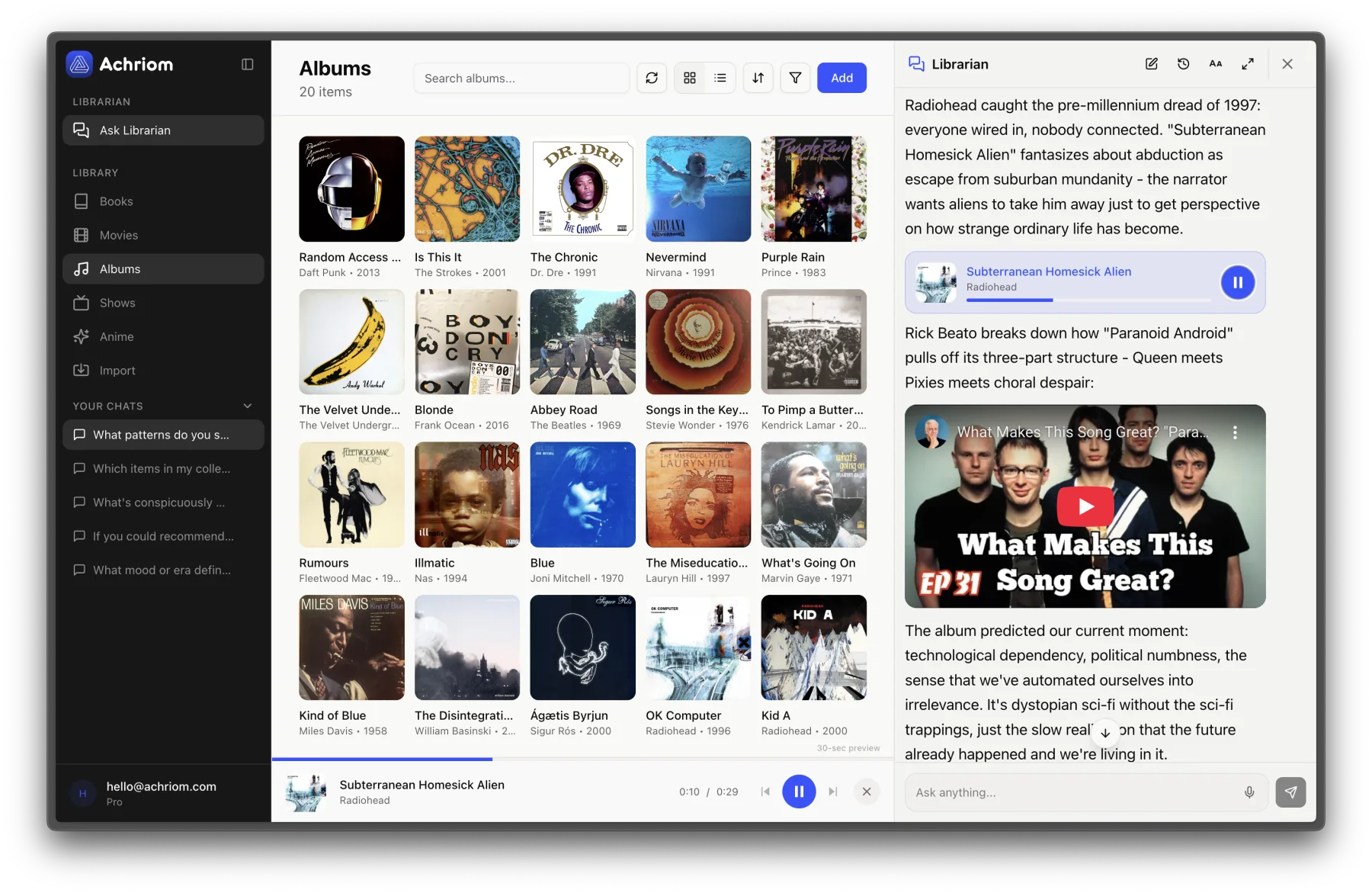
Achriom takes a different approach than any of the above. Albums live next to books, films, TV shows, and anime in one library. Your AI librarian can look across all of it for patterns.
What it does differently:
- Albums, books, films, TV, and anime in a single library
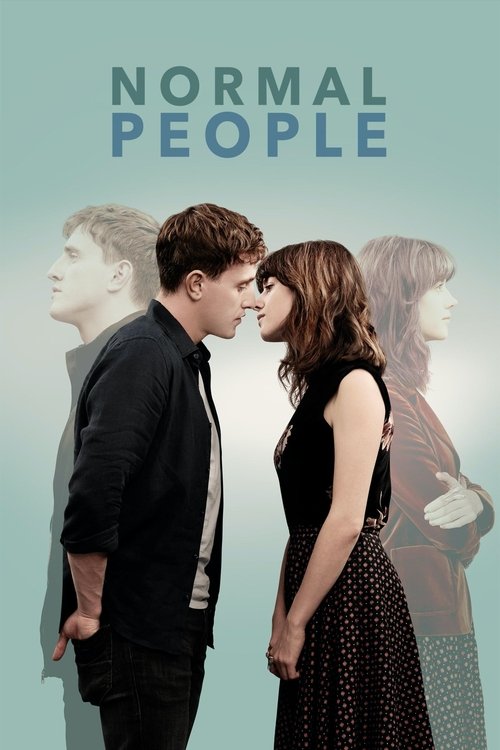
- Conversational discovery: ask “what album should I hear if I loved Normal People” and the librarian reasons across your whole collection
- Ratings, notes, and status tracking (listened, want to hear, listening now)
- Pattern recognition across media types: the albums you love may share themes with the books and films you love
- Free tier with unlimited items and 10 AI messages a month; Pro at $9.99/month for 200 a month
The limitation: Achriom is not a scrobbler. It does not connect to Spotify and auto-log every play. You add albums intentionally, the way you would add a book you just finished. If what you want is a passive listening log, Last.fm is still the answer. If what you want is a curated library you actually care about, Achriom is built for that.
Want all of it in one place? Achriom tracks your albums alongside your books, films, TV, and anime, with an AI librarian that finds the threads between them. That is the part no music-only tracker can do.
Try Achriom free →Fetch the Bolt Cutters
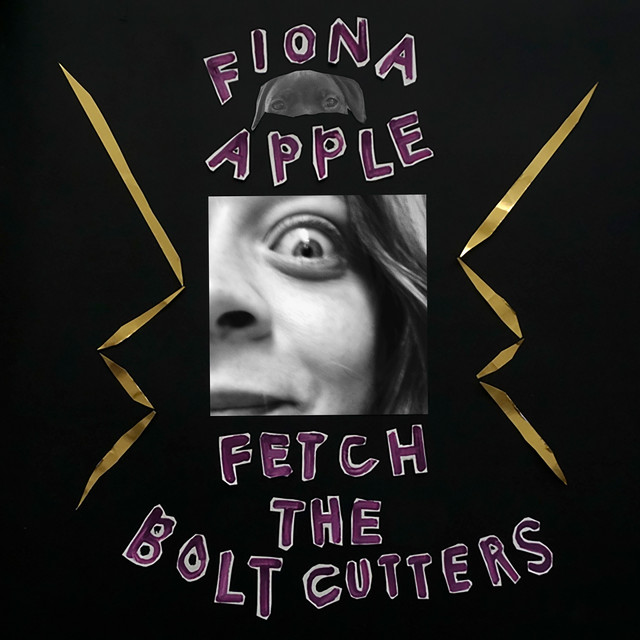
Fiona Apple’s 2020 album spent two decades in the making, references a specific emotional history, and connects thematically to literature about private grief and public expression. In Achriom, you can add it alongside The Secret History, which shares its intensity about enclosed social worlds and things that cannot be unsaid. The librarian notices that connection. Other trackers do not.

Quick comparison
| App | Scope | Auto-scrobbling | Ratings | AI features | Best for |
|---|---|---|---|---|---|
| Last.fm | Music | Yes | No | No | Listening history |
| Rate Your Music | Music | No | Yes (half-star) | No | Serious critics |
| Apple Music | Music | No (streaming only) | Minimal | No | Listening |
| Discogs | Physical only | No | No | No | Record collectors |
| Achriom | Music, books, film, TV, anime | No | Yes | Yes (AI librarian) | Cross-media libraries |
Which should you use?
Use Last.fm if: You want a passive record of everything you have ever listened to, automatically logged. The statistics are genuinely interesting if you care about your listening data over years.
Use Rate Your Music if: You are serious about music criticism, want half-star precision, and are willing to spend time in a dense but powerful interface.
Use Discogs if: You collect physical records and want to catalogue your collection with pressing details and market valuations.
Use Apple Music if: You are a subscriber who wants to organise music for listening. It is a streaming service, not a tracker.
Use Achriom if: Music is one part of a larger library that also includes books and films, and you want a single place to track all of it with an AI that can find the connections between them.
The honest answer
The album tracker market is less developed than the film tracker market. There is no album equivalent of Letterboxd: nothing that combines a beautiful interface, a strong community, and a satisfying logging ritual. Rate Your Music comes closest but skews toward critics. Last.fm is powerful but passive.
If music is your sole focus, Rate Your Music for critical engagement or Last.fm for statistics are the two most useful tools. If music sits alongside your reading and watching, Achriom is the only app that treats all of it as one thing.
Many people find the two-app approach works: Last.fm running in the background for data, Achriom for the albums that actually mattered, the ones worth remembering and talking about.
Related reading: best movie tracking apps, and if your library also includes anime, best MyAnimeList alternatives.
Common questions
What is the best free app for tracking albums?
Last.fm is the most feature-complete free album tracker for listening history. Rate Your Music is free for basic use and the best free tool for rating and cataloguing. Achriom’s free tier covers unlimited albums and 10 AI messages a month, which is enough to understand whether cross-media tracking fits how you think about your library.
Is there an album tracking app like Letterboxd?
Rate Your Music is the closest equivalent: community ratings, reviews, lists, and a large catalogue. The interface is less polished than Letterboxd, and there is no mobile app. Achriom is a different approach: private, cross-media, and AI-driven rather than community-driven.
Can I track albums and books in the same app?
Achriom is the only app that tracks albums, books, films, TV shows, and anime in one library with a single AI that can reason across all of them. Every other tool in this category is single-medium.
What is the best app for rating albums?
Rate Your Music uses a half-star rating system that a serious music community has built around. If precise ratings and a community context matter, it is the best tool for that. Achriom also supports ratings with a focus on your personal library rather than community averages.
How do I track my vinyl collection?
Discogs is purpose-built for physical record collectors. It has the deepest database for pressing variants, market valuations, and collection management. Other trackers focus on albums as listening experiences rather than physical objects.
Does Last.fm track albums or just songs?
Last.fm scrobbles at the track level and surfaces album-level statistics from that data. It does not have a distinct “add this album to my collection” feature. If you want album-level curation, Last.fm works best paired with a tool that lets you rate and annotate intentionally.