Best Last.fm Alternatives in 2026: Scrobbling and Music Tracking
The best Last.fm alternatives in 2026: RateYourMusic for ratings depth, ListenBrainz for open scrobbling, Maloja for self-hosting, Musicboard for reviews, and Achriom for albums

Some links below are affiliate links. As an Amazon Associate, Achriom earns from qualifying purchases. For books we prefer Bookshop.org, which supports independent bookstores.
Last.fm still works. That is the whole problem. It has scrobbled reliably since 2002, so most people never leave, and in return they get a dated interface, a thin rating system, recommendations that stopped improving years ago, and a database that covers music and nothing else. The scrobbles pile up. Very little comes back.
If you want the scrobbling without the stagnation, use ListenBrainz. If you want real ratings and a catalog worth arguing about, use RateYourMusic. If you want to own the data outright, self-host Maloja. If your listening is tangled up with what you read and watch, use Achriom.
How we picked: every app here is judged on the same six things: what it covers, whether it scrobbles, how deep its ratings go, whether you can get your data back out, AI features, and price. See the full media tracker comparison for all 17 trackers side by side.
Quick verdict:
- Best open scrobbling replacement: ListenBrainz
- Best for ratings and catalog depth: RateYourMusic
- Best for reviews and lists: Musicboard
- Best self-hosted option: Maloja
- Best for albums alongside books, films, and TV: Achriom
Why people leave Last.fm
Four complaints come up over and over in the threads.
Scrobbling never modernized. The protocol was ahead of its time in 2005. It is still essentially the same thing, and the official mobile apps have been unreliable enough that many listeners run third-party scrobblers instead of the first-party one.
The interface aged badly. Charts, a profile, some tag clouds. It looks like the social web it came from, and navigating your own history is more work than it should be.
Ratings are shallow. Last.fm gives you loves, which is a single bit of information. If you want to say that one album is a 9 and another is a 6, there is nowhere to put that.
It is music only. Your films sit in Letterboxd, your books in Goodreads or StoryGraph, your shows in Trakt. Nothing connects them, so the taste you actually have is split across four accounts that will never speak to each other.
What to look for in a Last.fm replacement
A good replacement should handle at least three of these five well:
- Automatic play tracking: scrobbling from Spotify, Apple Music, or a local player
- Ratings with resolution: something better than a single love button
- Catalog depth: obscure pressings, reissues, and regional releases actually present
- Data ownership: import your history in, export it back out
- Understanding your taste: patterns and connections rather than raw counts
No single app does all five. The table further down maps the tradeoffs.
ListenBrainz
Best for: Open scrobbling with no company sitting on your data
ListenBrainz is run by the MetaBrainz Foundation, the same non-profit behind MusicBrainz. It does the thing Last.fm does, collects your listens, builds your stats, generates yearly summaries, and it does it in the open. The listening data is published under a permissive license, so researchers and other apps can build on it.
What it does well:
- Direct Last.fm importer, so your history comes with you
- Works with existing scrobblers, including ones you already use
- Free with no paid tier and no ads
- Open source, self-hostable if you want to go further
- Playlist and recommendation experiments that ship regularly
The limitation: the interface is functional rather than beautiful, and the social layer is small. You are trading polish for openness. Ratings are still not the point here.
RateYourMusic
Best for: Ratings depth and a catalog that takes music seriously
RateYourMusic is where people go to argue about music with numbers attached. The rating scale runs in half stars, the database is unusually thorough about pressings and regional releases, and the charts are the closest thing the internet has to a consensus canon. Sister sites extend the same model to film and games.
What it does well:
- Half-star ratings across a very deep catalog
- Genre taxonomy that is more precise than anywhere else
- Charts and lists that surface records you would never find on a streaming home page
- Reviews written by people who clearly care
The limitation: no scrobbling. RateYourMusic is a place you go and log things deliberately, which is a different habit from Last.fm running quietly in the background. The site design is dense, and new accounts face a learning curve.
Musicboard
Best for: Reviews, lists, and a social feed for albums
Musicboard borrows the Letterboxd shape and points it at music: rate an album, write a short review, build lists, follow people whose taste you trust. It is available on iOS, Android, and the web, with a free tier and a paid Pro upgrade for extra stats and customization. It leads our Letterboxd for music roundup, where the review-first apps get the full comparison.
What it does well:
- Clean, modern interface, which is exactly what Last.fm is missing
- Ratings, reviews, and diary-style logging in one place
- A real social feed built around albums rather than tracks
The limitation: the community is much smaller than Letterboxd’s, the catalog is thinner than RateYourMusic’s, and it does not scrobble. Music only.
Album of the Year
Best for: New releases, critic scores, and user ratings side by side
Album of the Year aggregates critic reviews and user ratings for anything new, which makes it the fastest way to see how a record landed. You can rate and list your own listening, and the release calendar is genuinely useful for keeping up.
Pure reference with a light tracking layer, and free with ads. If you mostly want to know what came out this week and whether it is any good, this is the answer. It will not replace your listening history.
Maloja
Best for: Owning your scrobbles outright
Maloja is a self-hosted scrobble server. You run it (Docker is the usual route), point your scrobbler at it, and every play lands on hardware you control. It speaks the Last.fm-compatible API, so most existing scrobbler clients work without modification, and it can ingest a Last.fm export so your history starts full instead of empty.
What it does well:
- Complete data ownership, no third party involved
- Free and open source
- Accepts imports from Last.fm and Spotify history dumps
- Charts, pulse graphs, and statistics that update in real time
The limitation: you are the sysadmin now. There is no social layer, no recommendations, no community, and if the server goes down nobody else is going to fix it. This is the right answer for a specific kind of person and the wrong one for everybody else.
Achriom
Best for: Albums that live in the same library as your books, films, and TV
Achriom holds albums next to books, films, TV, and anime, and an AI librarian reads across the whole thing. Your listening stops being a separate account and becomes one part of a single picture.
What it does differently:
- One library for albums, books, films, TV, and anime
- Conversational discovery, so “what should I put on after that novel” has a real answer
- Cross-media pattern recognition rather than raw play counts
- Private by default, with no followers and no public profile
- Full export back out whenever you want
- Free tier with unlimited items and 10 AI messages a month; Pro at $9.99/month for 200
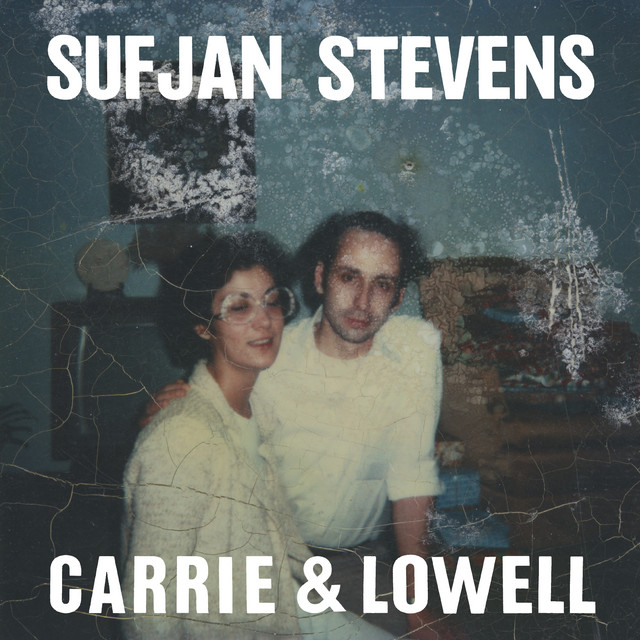
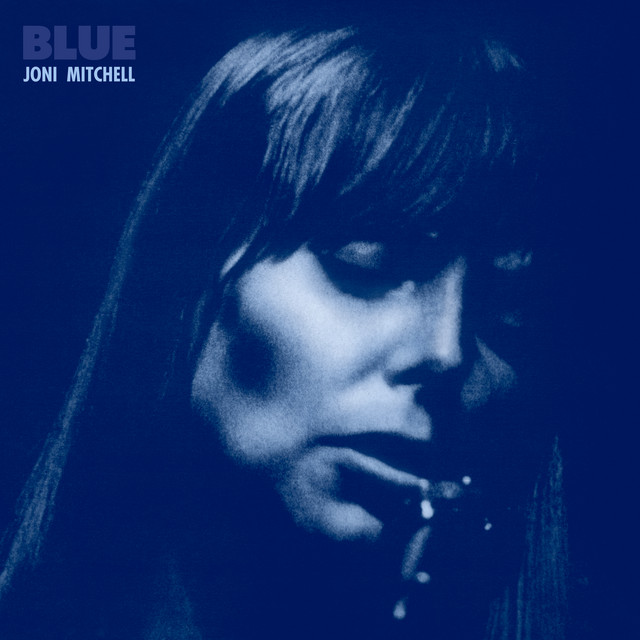
Ask it why Blue by Joni Mitchell and Carrie & Lowell by Sufjan Stevens sit in the same emotional register as the memoirs on your shelf, and you get an answer grounded in your actual collection. Ask why Kid A keeps pulling you back in the same weeks you reach for cold, sparse fiction, and it can show you the pattern instead of describing it in the abstract.

The limitation: no automatic scrobbling. Achriom tracks the albums you choose to keep rather than every track that passes through your speakers. If a running play count is the point, pair it with ListenBrainz.
Leave Last.fm for a music-only app and you will be doing this same search again in a year for your books, your films, and your shows. Achriom is one library for shows, films, books, albums, and anime, with an AI librarian that connects them and full export back out any time. Free to start, no card.
Consolidate once →Quick comparison
| App | Scope | Scrobbles | Ratings | Data export | AI features | Price |
|---|---|---|---|---|---|---|
| Last.fm | Music | Yes | Loves only | Yes | No | Free / Pro |
| ListenBrainz | Music | Yes | No | Yes (open data) | Recommendation experiments | Free |
| RateYourMusic | Music (film and games on sister sites) | No | Half stars | Yes | No | Free / supporter |
| Musicboard | Music | No | Stars and reviews | Limited | No | Free / Pro |
| Album of the Year | Music | No | Stars | Limited | No | Free |
| Maloja | Music | Yes (self-hosted) | No | Yes, you own it | No | Free, self-hosted |
| Achriom | Albums, books, films, TV, anime | No | Yes, with half stars | Yes | Yes (AI librarian) | Free / $9.99 mo |
Which should you use?
Use ListenBrainz if: scrobbling is the habit you cannot give up and you want it running somewhere that will not quietly rot. One caveat worth knowing before you start: the Last.fm importer has been struggling through mid 2026, with users reporting imports that stall or return zero listens, which MetaBrainz attributes to the volume of people leaving Last.fm at once. Start the import early and expect to check on it.
Use RateYourMusic if: you want to rate everything you hear with real resolution and dig through a catalog that respects obscure releases. This is the choice for people who take the numbers seriously.
Use Musicboard if: you liked what Letterboxd did for film and want the same rhythm for albums, with reviews and lists and a feed of people whose taste you follow.
Use Album of the Year if: you mainly want to keep up with new releases and see the critical read at a glance.
Use Maloja if: you would rather run a server than trust one. You are comfortable with Docker and you want your play history on your own disk.
Use Achriom if: your albums, books, and films are all part of the same taste and you are tired of them being scattered across four accounts. The librarian is the reason to be here, and it needs the whole collection to work.
Also worth considering
Libre.fm is the long-running free-software scrobbling service and the philosophical ancestor of ListenBrainz. Still alive, still free, smaller and quieter than it once was. Worth a look if open licensing is your priority and you want an alternative to MetaBrainz.
Spotify and Apple Music year-end summaries are not trackers. They cover one service, one year, and only the listening that happened inside that app. They are fun, and they disappear.
The part no scrobbler can do
ListenBrainz and Maloja will count every play with more integrity than Last.fm manages. None of them can tell you why the records you return to keep rhyming with the novels you finish in one sitting, because none of them can see your novels. Achriom can. Read about finding the album that matches a book you loved, the albums that sound like a Murakami novel, or how the album tracker works for readers. That connection is the reason Achriom exists.
The honest answer
Pick based on which part of Last.fm you actually miss.
- The automatic play counts: ListenBrainz
- A rating scale with resolution: RateYourMusic
- Reviews and a social feed: Musicboard
- New release coverage: Album of the Year
- Total data ownership: Maloja
- Music in the context of everything else you love: Achriom
Most listeners end up with two. ListenBrainz humming in the background collecting plays, and a library app for the albums worth remembering. They solve different jobs and they do not compete.
More on tracking music: see how AI finds music from what you read, what to listen to after Euphoria, and the case for one tracker that holds every format. For the wider argument about what these tools are becoming, read media trackers vs AI librarians.
Common questions
Is Last.fm dead in 2026?
No. Scrobbling still works, the servers are up, and millions of accounts are still collecting plays. The complaint is stagnation rather than failure: the interface, the apps, and the recommendation features have barely moved in years while the rest of the tracking world improved around it.
What is the closest thing to Last.fm?
ListenBrainz. It does the same core job, collects listens and builds statistics, and it has a direct importer for your Last.fm history. The main differences are that it is run by a non-profit, it is free with no paid tier, and the listening data is open.
Can I keep my scrobble history if I switch?
Yes. Last.fm supports exporting your history, ListenBrainz imports directly from your Last.fm account, and Maloja can ingest an export if you self-host. The play counts are portable, which removes most of the reason people feel stuck.
Which Last.fm alternative has the best ratings?
RateYourMusic, by a wide margin. Half-star ratings across a very deep catalog, plus genre precision and charts nobody else matches. Musicboard is the friendlier modern option if the RateYourMusic interface feels like too much.
Is there a Last.fm alternative that also tracks books and films?
Achriom. Albums, books, films, TV, and anime live in one library with an AI librarian that reasons across all of them. Every other app in this roundup is music-only by design, which is exactly the gap that leaves your taste split across several accounts.
Do any of these have AI recommendations?
ListenBrainz ships recommendation and playlist experiments built on open listening data. Achriom is the one built around AI from the start: you ask the librarian a question in plain language and it answers using your whole collection rather than a genre tag. The rest rely on charts, community lists, and critic scores.