The Free Way to Leave Goodreads (No Plus Required)
You do not need to pay to get off Goodreads. Where each alternative's paywall actually sits, what your export carries, and how to move your whole reading history for free in 2026.

Some links below are affiliate links. As an Amazon Associate, Achriom earns from qualifying purchases. For books we prefer Bookshop.org, which supports independent bookstores.
Getting off Goodreads should not cost you anything. Hardcover lists book imports from all major platforms on its free plan, LibraryThing dropped every fee and limit back in March 2020, BookWyrm is free and self-hostable, and Achriom’s importer is open to any signed-in account. StoryGraph’s FAQ answers the Goodreads import question affirmatively with no tier attached, directly beside its statement that most of the app will always be free. The migration itself has never had a price tag, and the roundups telling you otherwise are mostly wrong about where each app’s paywall actually sits.
If you want reading stats, StoryGraph’s free tier is the shortest path. If you want an indie app with no banner ads and no caps, Hardcover. If you want to own the server your library lives on, BookWyrm. If you want your reading in the same place as your films, albums, and shows, Achriom. All of it free to start.
Last reviewed: July 2026.
How we picked: every app below is judged on the same five things: whether the Goodreads import works without a subscription, what the free tier actually caps, whether you can export back out, ads and ownership, and what the paid tier really buys. See the full media tracker comparison for the wider field.
Quick verdict:
- Best free landing spot for stats: StoryGraph
- Best free indie app, no ads, no caps: Hardcover
- Best free catalogue for physical shelves: LibraryThing
- Best free option you can own outright: BookWyrm
- Best free option if you also watch and listen: Achriom
What to look for in a free Goodreads alternative
“Free” hides a lot of different arrangements. Before you commit a decade of reading history, check these:
- Does the import cost money? Some apps gate migration, most do not. Confirm before you sign up.
- What does the free tier cap? Number of books, number of shelves, number of anything.
- Can you get your data back out? An app you can leave is an app you can safely join.
- Who pays for it? Ads, a subscription, a parent company selling your reading habits, or a founder taking donations.
- What does the paid tier buy? If the answer is “the features you came for,” the free tier is a trial.
First, get your export out of Goodreads
Do this before you pick anything. The file is the thing that makes you free to change your mind.
- Sign in at goodreads.com and click My Books.
- In the left sidebar, click Import and Export.
- Click Export Library and wait for the file to build. Large libraries take a minute.
- Download the CSV, which arrives named something like
goodreads_library_export.csv.
That file holds your titles, authors, ISBNs, ratings, dates read, shelves, review text, and read status. One thing it does not hold is your date started, because Goodreads leaves that column out of its own export. Nothing any app can do about a field that was never written. Everything else travels.
Keep the CSV somewhere safe even after you import. It is your leverage against every app on this list, including ours.
StoryGraph
Best for: Free reading stats, mood and pace data, the most common destination
StoryGraph is independent, founded by Nadia Odunayo, and built as a deliberate answer to Goodreads. It reads your Goodreads CSV on a free account and maps your shelves to tags, your exclusive shelf to a status, and your ratings straight across.
What the free tier gives you:
- Full Goodreads import, including read, to-read, currently-reading, and did-not-finish
- Half-star ratings and a real stats dashboard
- Mood, pace, and content warning tags on most popular titles
- No ads on any tier
Where Plus actually sits: $4.99 a month buys unlimited personalised recommendations, an “Up Next” queue, extra chart filters, and buddy reads you create yourself. Several 2026 blog posts claim the Goodreads import itself is Plus-only. The evidence sits on StoryGraph’s own pages. Their FAQ answers the Goodreads import question affirmatively, with no tier attached, directly beside the line that most of the app will always be free. The Plus page then enumerates what the subscription buys (custom charts, extra stats filters, wrap-up graphics, compare stats, year-on-year charts, roadmap voting, priority support) and import is not among it. If you hit a wall, the support address on their site answers.
The limitation: the community is a fraction of Goodreads, so review counts thin out fast on older or long-tail titles. Mood tags are crowdsourced and get inconsistent outside popular fiction.
Hardcover
Best for: An indie app with no banner ads, no caps, and a genuinely voluntary paid tier
Hardcover is the small-team alternative, built in the open by a handful of people who post their roadmap publicly. Core tracking, lists, and community features are free with no book limit and no feature wall. It imports from Goodreads, from StoryGraph, and from a plain CSV, which matters if you have already bounced between apps once.
What the free tier gives you:
- Unlimited books, lists, and shelves
- Goodreads, StoryGraph, and CSV import
- Retroactive stats generated from your imported history
- No banner ads. Their FAQ reserves the option of book promotion connecting authors with readers, but rules out traditional advertising
Where the paid tier sits: the Supporter plan is $4.99 a month and funds development. It is a tip jar with a few perks attached rather than a gate across the product.
The limitation: large Goodreads imports can take a while to process, and the book database still has gaps on obscure editions. The community is small enough that reviews are sparse outside popular releases.
LibraryThing
Best for: Cataloguing physical books with serious edition data
LibraryThing has been running since 2005 and went fully free in 2020. It is the closest thing readers have to a library catalogue: real edition records, library-grade metadata, custom fields, and an import tool that handles Goodreads exports directly.
What the free tier gives you:
- Unlimited books, free for everyone
- Goodreads import with a dedicated mapping page
- Edition-level precision, including printings and translations
- Early Reviewers giveaways and a long-running member community
The limitation: the interface looks its age, and the appeal is cataloguing rather than mood-based discovery. If you want a modern app that recommends your next read, this is not that. If you want to know exactly which 1978 printing sits on your shelf, nothing else comes close.
BookWyrm
Best for: Readers who want no company in the middle at all
BookWyrm is source-available and federated, built on the same protocol as Mastodon. Its licence is the Anti-Capitalist Software License, which permits personal and non-profit use but restricts for-profit entities, so it is not open source in the OSI sense. You can join a community-run instance or run your own on a small server, and it takes a Goodreads CSV either way. Nobody is monetising your reading, because in the self-hosted case there is nobody but you.
What you get:
- Free to use and self-host, with no paid tier to gate anything
- CSV import from Goodreads, LibraryThing, StoryGraph, OpenLibrary, and Calibre
- Federation, so you can follow readers on other instances
- Full ownership if you host it yourself
The limitation: instances vary in stability and size, the book database depends on OpenLibrary records that sometimes need hand-editing, and self-hosting means you are the one who patches it. This is the option for readers who consider that a feature.
Achriom
Best for: Free migration when books are one of several things you track
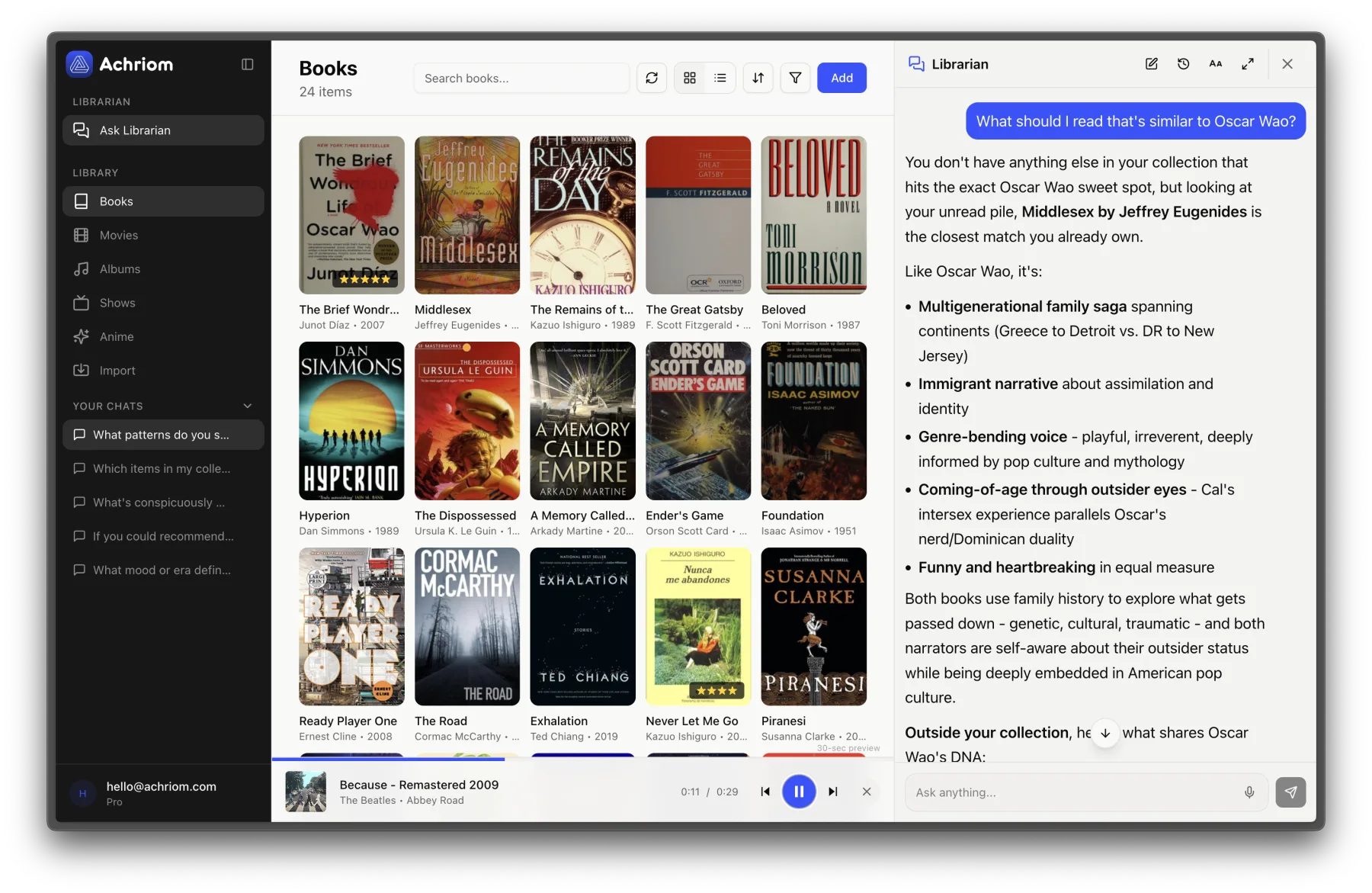
Achriom takes your Goodreads CSV on the free tier and lands your books next to your films, albums, TV, and anime in a single library. An AI librarian reads across all of it, which is the part a book-only tracker structurally cannot do.
What the free tier gives you:
- Direct Goodreads CSV import, no card, no paid gate
- Unlimited items across books, films, albums, TV, and anime
- 10 AI librarian messages a month (Pro is $9.99 a month for 200)
- Private by default, with no public shelves and no follower count
- Full export back out at any time, in a format you can take anywhere
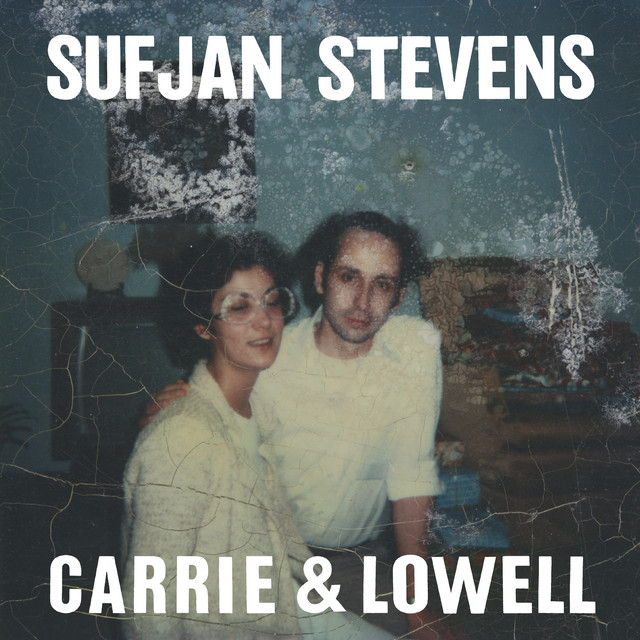
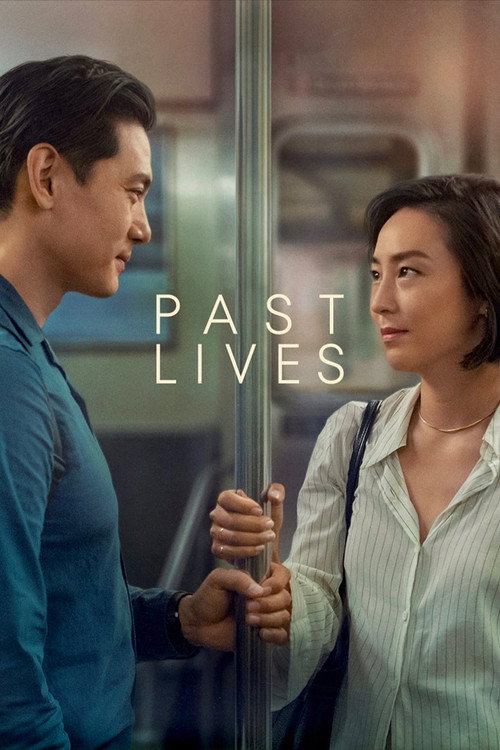
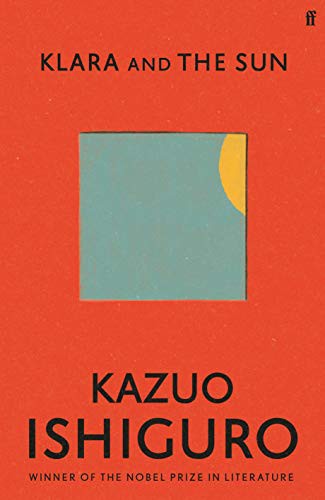
The cross-media part is the reason to bother. Finish Klara and the Sun and the librarian can tell you why Past Lives will land the same way. Rate The Secret History highly and it can point at the films and the records that share its particular cold, beautiful obsession, which is how Carrie & Lowell ends up in a conversation that started with a novel. Your taste stops living in five separate apps.

The limitation: no public reviews, no friend graph, no buddy reads. If the social side of Goodreads is what you are trying to replace, StoryGraph or Hardcover will serve you better.
Whichever free book tracker you land on, you will run this same search again in six months for your films and your albums. Achriom is one library for shows, films, books, albums, and anime, with an AI librarian that finds the threads between them, and a full export back out any time you want it. Move once instead of four times. Free to start, no card.
Import your Goodreads library →Quick comparison
| App | Import cost | Free tier caps | Ads | Paid tier | What paid buys |
|---|---|---|---|---|---|
| StoryGraph | Free | None on books | No | $4.99 mo | Recommendations, chart filters, own buddy reads |
| Hardcover | Free | None | No | $4.99 mo | Voluntary support, small perks |
| LibraryThing | Free | None | No | None | Nothing, it is free |
| BookWyrm | Free | None | No | None | Nothing, you host it |
| Achriom | Free | 10 AI messages a month | No | $9.99 mo | 200 AI messages a month |
| Goodreads | Not applicable | None | Yes | None | Nothing, Amazon sells the ads |
Which should you use?
Use StoryGraph if: you want your reading measured. Pace, mood, page counts, and a dashboard that tells you something you did not already know about your year.
Use Hardcover if: you want a clean, modern, ad-free app run by people who answer their own support email, and you would rather tip than be upsold.
Use LibraryThing if: you own a lot of physical books and want them catalogued properly, down to the edition.
Use BookWyrm if: the whole reason you are leaving is that a company owned your reading life. Run your own instance and that problem is permanently solved.
Use Achriom if: books are one of several things you care about, and you would rather answer the “where do I put this” question once for everything you read, watch, and listen to.
The honest answer
The paywall question has a short answer: there is not one, at any of these, for the thing you actually need to do.
- Free import, best stats: StoryGraph
- Free import, cleanest app: Hardcover
- Free import, deepest catalogue: LibraryThing
- Free import, total ownership: BookWyrm
- Free import, all five media types: Achriom
What varies is what each one asks for later. StoryGraph asks $4.99 for recommendations. Hardcover asks nothing and hopes. LibraryThing and BookWyrm ask nothing at all. Achriom’s free tier covers your whole library and 10 librarian conversations a month, and the $9.99 tier is for people who talk to it constantly.
Pick one, import, and keep the CSV. The export in your downloads folder is what makes any of this reversible, which is the part Goodreads never wanted you to notice.
Related: How to import your Goodreads library · Goodreads vs StoryGraph vs Achriom · Achriom vs Goodreads · Goodreads vs Libby · Best book discovery apps in 2026
Common questions
Do I have to pay to import my Goodreads library somewhere else?
No. StoryGraph, Hardcover, LibraryThing, BookWyrm, and Achriom all accept a Goodreads CSV on a free account. Several 2026 roundups claim StoryGraph puts the import behind Plus, which contradicts StoryGraph’s own documentation. Plus buys recommendations, extra stats filters, and self-created buddy reads.
What does the Goodreads export actually contain?
Titles, authors, ISBNs, your ratings, your dates read, your shelves, your review text, and your read, to-read, and currently-reading status. It leaves out your date started, because Goodreads drops that column from its own export file. No app can restore a field that was never written.
Can I leave Goodreads without losing my reviews?
Yes, as long as you export before you delete anything. Your review text sits in the CSV and most trackers store it as notes or a review attached to each book. Export, open the file to confirm your ratings are in it, then decide what to do with the account.
Should I delete my Goodreads account after I move?
There is no reason to rush. Importing elsewhere does not touch Goodreads, and plenty of readers keep it for the review database and Kindle sync while logging their real reading somewhere private. Hold onto the exported CSV either way.
What is the best free Goodreads alternative in 2026?
It depends on the job. StoryGraph for reading stats, Hardcover for a clean ad-free app, LibraryThing for cataloguing physical books, BookWyrm for full ownership, and Achriom for keeping books next to films, albums, TV, and anime with an AI librarian that reasons across all of them.
Can I try more than one before committing?
You can, and it costs nothing. The same CSV imports into all of them, so upload it to two or three, live in each for a week, and delete the accounts that do not stick. The export file makes the whole experiment free and reversible.