Best StoryGraph Alternative in 2026: 5 Apps Tested and Ranked
The best StoryGraph alternatives in 2026, tested and ranked: Hardcover, Fable, Literal, Goodreads, and Achriom.

Some links below are affiliate links. As an Amazon Associate, Achriom earns from qualifying purchases. For books we prefer Bookshop.org, which supports independent bookstores.
Most people searching for a StoryGraph alternative are not angry at StoryGraph. It is a good app, and we say so in our own Goodreads alternatives guide. But good is not the same as right for you. The best alternatives in 2026 are Hardcover if you want the same indie, Amazon-free spirit with a public API and a team that answers, Fable if book clubs are the point, Literal if you want something quieter, Goodreads if you miss the crowd, and Achriom if your books share shelf space in your head with films, albums, and TV.
Last reviewed: September 1, 2026.
How we picked: every app here is judged on the same six things: formats covered, platforms, whether you can export your data back out, AI features, privacy, and price. See the full media tracker comparison for the wider field side by side.
Quick verdict:
- Best direct replacement: Hardcover
- Best for book clubs: Fable
- Best minimalist tracker: Literal
- Best for community and catalog size: Goodreads
- Best if books are part of a bigger media life: Achriom
Why people leave StoryGraph
StoryGraph earned its 5 million readers. Half-star ratings, mood and pace tags, community content warnings, and no Amazon anywhere in sight. If it is working for you, keep it.
The complaints that send people searching are consistent, though. Discovery leans on stats and tags, which suits data-minded readers and leaves vibe-driven ones cold. The social layer is thin next to Goodreads or Fable. AI recommendations are free, but unlimited recommendations and Up Next suggestions sit behind the $4.99/month Plus tier. The June 2026 Kobo integration was a real first, but Kindle readers got nothing comparable. And it tracks books alone, so your films, shows, and albums live somewhere else.
Different frustrations point to different apps. Here are the five worth knowing.
Hardcover
Best for: Readers who want StoryGraph’s independence with a smaller, more responsive community
Hardcover is the closest thing to a direct swap. It is an independent tracker built by a small team as an explicit answer to Amazon-owned book tracking, and it matches StoryGraph on the features that matter: half-star ratings, DNF tracking, reading stats, and a clean import from Goodreads or a CSV export.
What it does better than StoryGraph:
- A public GraphQL API, so your data is open in practice as well as in principle
- Per-book privacy controls
- A Spotify-style year-end reading recap
- A team that ships monthly and answers feature requests on Discord
Platform: Web, iOS, and Android.
Pricing: Free for all core features. Supporter is $4.99/month for librarian editing access and perks.
The limitation: A smaller community means thinner coverage for niche and non-English titles, and some Android users report rough edges. You trade StoryGraph’s polish for Hardcover’s openness.
Fable
Best for: Readers who want book clubs, social reading, and light film and TV tracking in one app
Fable is built around reading together. Clubs are the core feature: join one run by an author or a stranger with good taste, read on a shared schedule, and annotate in the margins with the group. It has also expanded past books, with watchlists for films and TV sitting alongside your shelves.
What it does well:
- The best book club experience of any tracker
- In-app reading with shared highlights and comments
- Film and TV watchlists next to your books
- Free, with a polished app on iOS and Android
The limitation: Tracking depth is not the focus. Stats are lighter than StoryGraph’s, and the film and TV layer is a watchlist rather than a library. Fable’s AI-generated reader summaries also stumbled badly enough in January 2025 to force a public apology, so its AI features have a trust deficit to work off.
Literal
Best for: Readers who want a quiet, minimalist tracker built on human recommendations
Literal is small on purpose. Around 50,000 readers, a clean interface, and discovery that works through people you follow rather than an engagement algorithm. Highlights and notes are first-class, with camera and voice capture for marking up physical books.
What it does well:
- Minimalist design that stays out of the way
- Trust-based discovery from readers you follow
- Book clubs and an open API
- Free, on web, iOS, and Android
The limitation: The small community cuts both ways. For niche titles there is less signal, fewer reviews, and fewer readers to follow. No half-star ratings either.
Goodreads
Best for: Readers who miss the crowd
Going back to Goodreads is a real option. The catalog is the deepest anywhere, the review base is unmatched for obscure titles, and with 150 million registered users, every reading friend you have is already there.
The reasons you left have not changed. Amazon still owns it. Half-star ratings still do not exist. The DNF shelf finally arrived in March 2026, roughly a decade after readers started asking. Development moves at a pace best described as geological.
When it makes sense: If StoryGraph’s smaller community was the dealbreaker and nothing else bothered you, Goodreads still delivers the crowd. If the Amazon ownership or the frozen feature set drove you out in the first place, going back solves nothing. Our StoryGraph vs Goodreads comparison covers that decision in full.
Achriom
Best for: Readers whose books are one thread in a larger media life
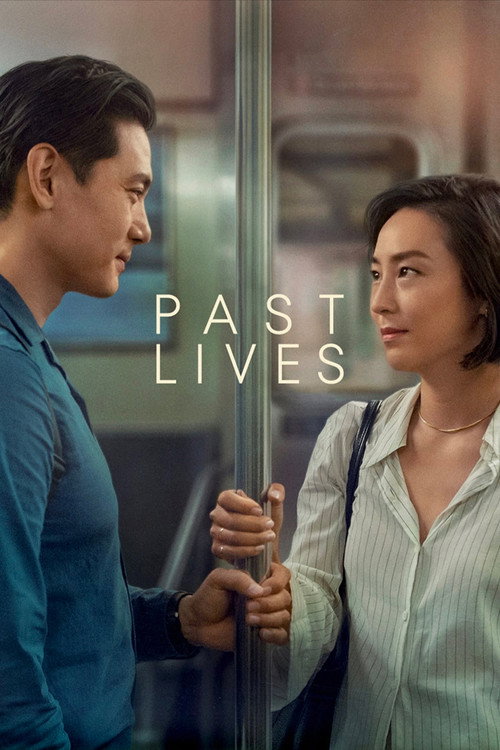
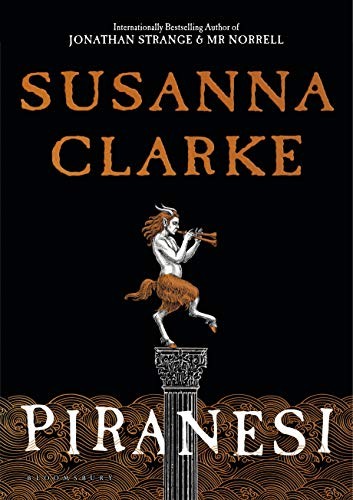
Achriom starts from a different premise. Your reading taste does not exist in isolation: the person who loved Piranesi and the person who loved Past Lives are often the same person, drawn to the same quiet, liminal thing. A books-only tracker cannot see that. Achriom can, because your books sit in one library with your films, TV shows, albums, and anime, and an AI librarian reads across all of it.
What it does differently:
- Books tracked alongside films, TV, albums, anime, and games
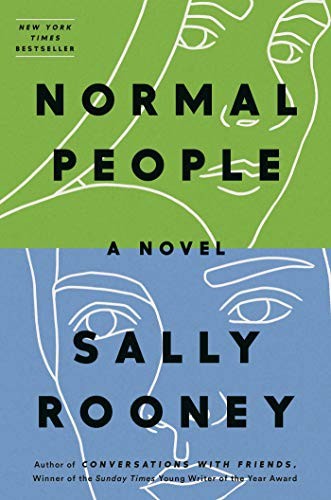
- An AI librarian you can talk to: ask what to read after Normal People and it answers from your whole collection, films included
- Goodreads and CSV import, half-star ratings, DNF support
- Full export back out any time
- Private by default, with no public profiles or social pressure
Pricing: Free with unlimited items and 10 AI messages a month. Pro is $9.99/month for 200 messages.
The limitation: No book clubs, no public reading challenges, and a thinner catalog for niche titles than Goodreads. If a book-first social network is what you want, Hardcover or Fable fits better.
Your books were never the whole story. Achriom keeps them in one library with your shows, films, albums, and anime. Bring your shelves over with a CSV import, and export everything back out any time. Free to start, no card.
Bring your shelves over →Quick comparison
| App | Tracks | Half-stars | Community | AI | Price |
|---|---|---|---|---|---|
| Hardcover | Books | Yes | Small, indie | No | Free / $4.99 mo |
| Fable | Books + film/TV watchlists | No | Club-centered | Summaries | Free |
| Literal | Books | No | ~50k, trust-based | No | Free |
| Goodreads | Books | No | 150M, largest | No | Free |
| Achriom | Books, films, TV, albums, anime | Yes | Private by design | AI librarian | Free / $9.99 mo |
Which should you use?
Use Hardcover if you liked what StoryGraph stood for and want a smaller room. The indie spirit, the open API, and the responsive team are the draw. Feature parity is close enough that switching costs you little.
Use Fable if reading is social for you. Nothing else on this list comes close on book clubs, and the film and TV watchlists are a nice bonus.
Use Literal if you want the opposite of a feed. A quiet shelf, good notes, and recommendations from people rather than algorithms.
Use Goodreads if community size and catalog depth outweigh everything else. Know what you are walking back into.
Use Achriom if you keep noticing that your favorite books, films, and albums rhyme, and you want an app that notices too. Start with how to import your Goodreads library; a StoryGraph CSV export carries the same core data.
Plenty of readers run two of these. Hardcover or Fable for the book-world ritual, Achriom for the library that holds everything. They solve different problems.
Getting your data out of StoryGraph
Whichever way you go, take your history with you. StoryGraph exports your full library as a CSV from account settings: ratings, statuses, and reading dates included. That file imports cleanly into Hardcover and Achriom, and it is worth downloading even if you stay, as insurance.
This is also the test worth applying to wherever you land. Any tracker that will not give you a real export is a place you are renting. StoryGraph passes that test, and so does everything recommended above. For the wider principle, see the best book tracking apps guide.
Where to go next
If you are still weighing StoryGraph against the app you came from, read StoryGraph vs Goodreads. If you want to leave the Amazon ecosystem entirely without paying for anything, see how to leave Goodreads free. And if the pile of unread books is the real problem, no app switch will fix the psychology of the unread pile, but it is a good read anyway.
Common questions
What is the best StoryGraph alternative?
Hardcover is the best direct replacement: independent, Amazon-free, half-star ratings, DNF tracking, and a public API. Fable is best for book clubs, Literal for minimalists, and Achriom for readers who want books, films, TV, albums, and anime in one library.
Can I export my StoryGraph data?
Yes. StoryGraph offers a full CSV export from your account settings, covering ratings, reading statuses, and dates. Hardcover and Achriom both accept CSV imports, so the move takes minutes.
Is there a StoryGraph alternative with better AI recommendations?
StoryGraph’s AI recommendations are part of the free tier, built from your reading preferences survey, mood and pace filters, and the books you have shelved and rated. The $4.99/month Plus tier lifts the limit and adds Up Next suggestions, but it stays inside your books. Achriom’s AI librarian is part of the free tier (10 messages a month; Pro is $9.99/month for 200) and reasons across your full media library, so a request like “something to read after Normal People” can draw on the films and shows you loved too.
Is there an app that tracks books and movies together?
Fable adds film and TV watchlists beside your books, which handles basic logging. Achriom goes further, with books, films, TV, albums, and anime in one library and an AI librarian reading across all of it.
Is Hardcover as good as StoryGraph?
For core tracking, yes: half-stars, DNF, stats, and imports are all there. StoryGraph is ahead on reading stats depth, community size, and its Kobo integration. Hardcover is ahead on openness, with a public API, per-book privacy, and a team that ships monthly. Which one wins depends on whether polish or openness matters more to you.
Should I just go back to Goodreads?
If the only thing StoryGraph lacked for you was the crowd, Goodreads still has the deepest catalog and the most reviews. Everything that made you leave remains: Amazon ownership, whole-star ratings, and slow development. Most switchers who miss the community try Fable or Hardcover before going all the way back.