The Year of the Unreliable Narrator
The narrator you cannot trust has become the defining device across current books, film, TV, music, and anime. An argument about why, and seven works that prove it.
Some links below are affiliate links. As an Amazon Associate, Achriom earns from qualifying purchases. For books we prefer Bookshop.org, which supports independent bookstores.
Somewhere in the last two years, the most trustworthy thing in culture became the narrator you are not supposed to trust.
I noticed it first as a coincidence. A novel structured as four accounts that refuse to agree. A film that ends without telling you what happened. An album sung by a woman who keeps editing her own legend. Then the coincidence stopped looking like one. The unreliable narrator, once a special move a writer pulled out for a twist, has become the default setting of the moment, and it is happening in every format at the same time.
Here is the argument, stated plainly. We read stories the way we now read everything else: braced for the angle. The device does not feel like a trick anymore. It feels like the truth about how information reaches us. That is why it surfaced in books, film, television, music, and anime almost simultaneously, and why the strongest new work in each of those forms is built on a voice you have to double-check.
What makes an unreliable narrator work now
Not every doubtful narrator lands. The weak version is a cheap withhold, a fact hidden so the ending can spring it. The strong version does three things.
It gives the narrator a real reason to shade the truth. Vanity, grief, guilt, a brand to protect. The distortion has to come from character, not from the author hiding a card.
It lets you catch the gap yourself. The best of these works trust you to notice where the account and the evidence part ways, rather than announcing the reveal.
It makes the lie mean something. When you finish, the distortion should tell you about the person, the culture, or the story that made them lie. A narrator you cannot trust is only interesting if the untrustworthiness is about something.
With that in mind, here is the pattern across seven works, one thread running through five different forms.
Trust: Hernan Diaz
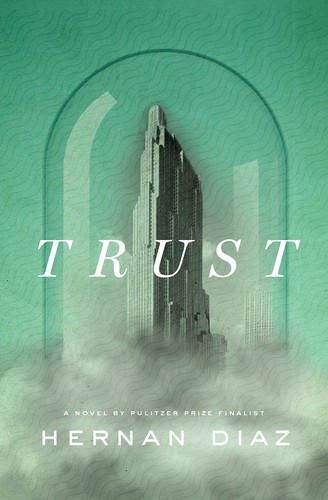
Diaz’s Pulitzer winner is the cleanest statement of the whole idea. It hands you four documents about one Gilded Age financier, and each one revises the last. A novel, a memoir, a ghostwriter’s notes, a diary. None of them holds still, and Diaz never steps in to tell you which is real. The book is less about a man than about who gets to write the man down, and how money buys the final draft. It is the rare novel that is genuinely better the second time through, because you read the machinery instead of the mystery.
Yellowface: R.F. Kuang
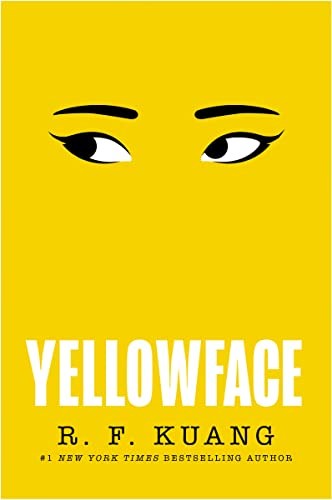
If Trust is the cool, architectural version, Yellowface is the version that grabs your collar. June Hayward narrates her own theft of a dead friend’s manuscript, and she narrates it while convincing herself she deserved it. You watch a person rewrite her conscience in real time. Kuang keeps you inside a voice that is curdling, and the discomfort is the point. It is a book about publishing, race, and envy, told by exactly the wrong person to tell it, which is what makes it impossible to put down.
Anatomy of a Fall: Justine Triet
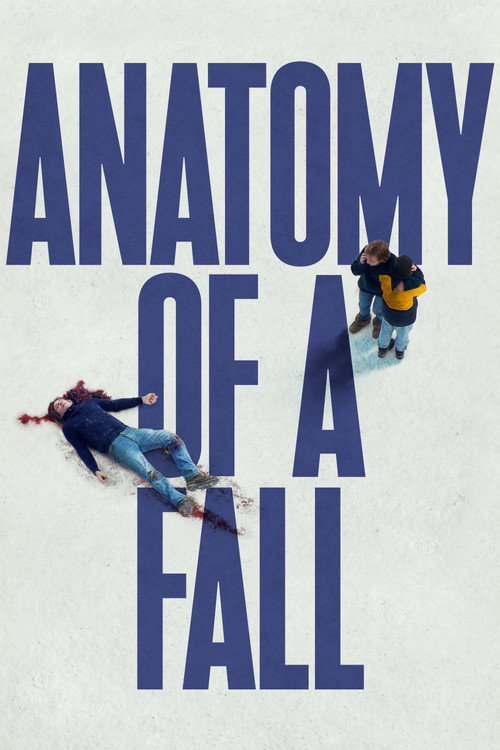
Triet’s film is the unreliable narrator without a narrator. A man dies falling from a chalet window, his wife is accused, and the movie spends its length refusing to confirm what happened. Every account is partial. The marriage gets reconstructed from fragments, a recording, a son’s memory, a courtroom’s need for a story. By the end you realize you have been assembling a version yourself, and that the film has quietly made you as unreliable as everyone in it. The truth is not withheld for a twist. It is withheld because that is the honest ending.
Ripley: Steven Zaillian
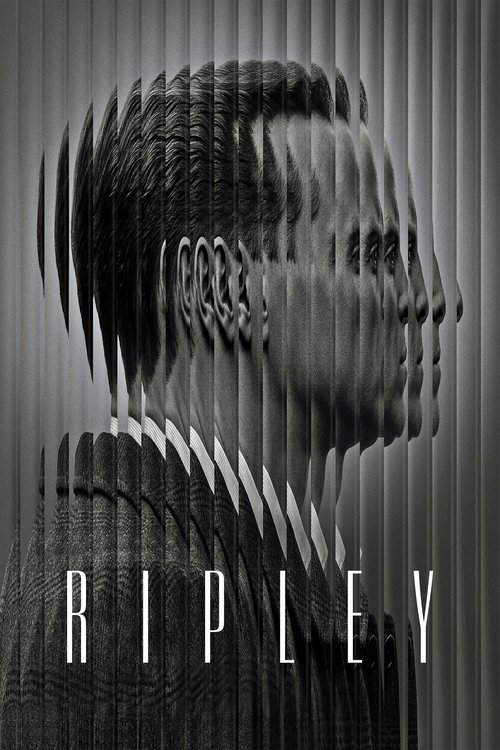
Patricia Highsmith’s con man has been filmed before, but Zaillian’s black-and-white version leans all the way into the point of view. We are locked to Tom Ripley, so we see the murders as logistics, the lies as craftsmanship, the guilt as an inconvenience to manage. The show never lets you outside his framing, which means you spend eight hours quietly rooting for the wrong man because he is the only one narrating. That is the unreliable narrator as seduction rather than confession.
Severance: Dan Erickson
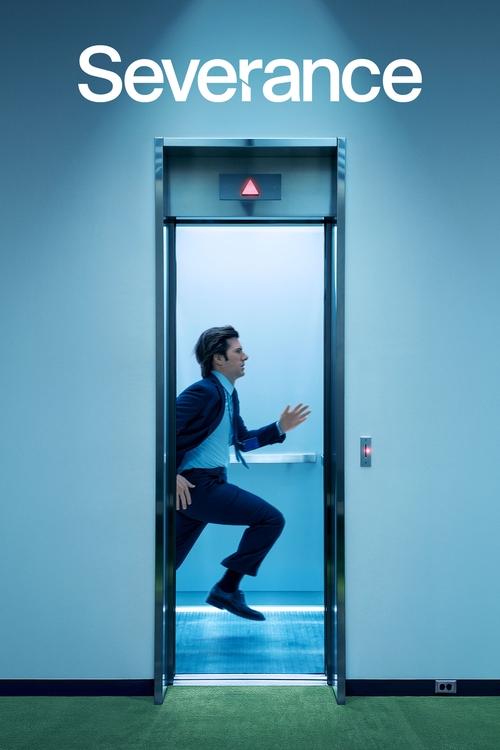
Severance takes the device somewhere stranger. Its narrators are unreliable to themselves. Split into an office self and an outside self who share no memories, the characters cannot trust their own account of their own life, because half of it is sealed off by design. The show turns the divided narrator into a workplace, a marriage, a whole existence built on information you are not allowed to have. It is the corporate version of the same anxiety: you are being told a story about your life, and someone else is doing the editing.
The Tortured Poets Department: Taylor Swift
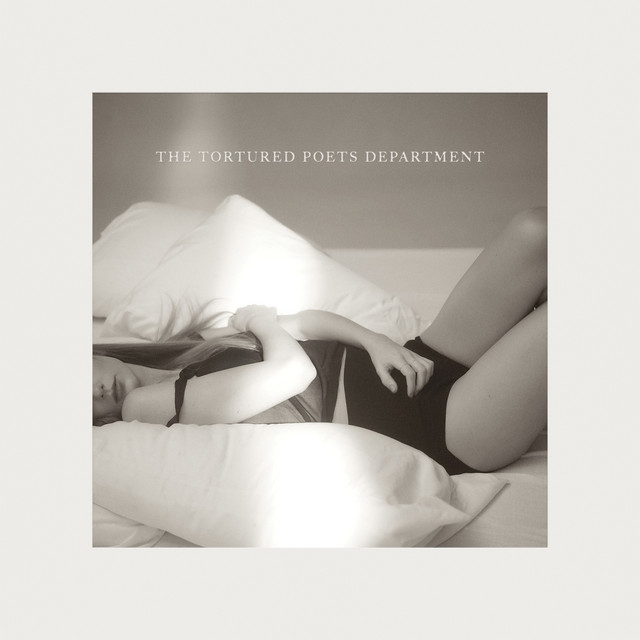
Music has always had personas, but this record makes the persona the subject. Across its sprawl, Swift narrates a version of heartbreak while openly gesturing at the gap between the woman and the legend, the real grief and the marketed one. She plays the unreliable narrator of her own myth, half confessing, half performing the confession. You are never sure where the diary ends and the character begins, and the album knows you are not sure. That is the device set to music.
Oshi no Ko: Aka Akasaka

Anime lands the same idea from the industry that runs on it. Oshi no Ko is built on the sentence that lies are the ultimate expression of love. Its idols perform sincerity for a living, its stars hide who they are to survive fame, and the plot turns on how much of a public face is real. The whole story is a machine for manufacturing believable untruths, watched by people who half know and half want to be fooled. It is the unreliable narrator as an entire economy.
How I read the pattern
Line those seven up and the thread is hard to miss. A financier’s ghostwriter, a thief talking herself clean, a widow no one can verify, a con man we are trapped beside, selves split from their own memory, a pop star editing her legend, idols selling a lie as love. Five forms, one instinct: the moment does not trust the confident voice, so its best art is narrated by voices that admit, or reveal, that they should not be trusted.
The reason I care, wearing my librarian hat, is that this is exactly the kind of pattern a single-format shelf will hide from you. If you only track books, Trust and Yellowface look like a genre streak. If you only track film, Anatomy of a Fall looks like one great year. Put them next to Ripley and Oshi no Ko and Taylor Swift and the streak becomes a cultural argument, the sort of thing you can only see when your reading, watching, and listening live in the same place.
Want all of it in one place? Achriom tracks the books, films, music, TV, and anime you love in one library, with an AI librarian that finds the threads between them. That is the part no single-format tracker can do.
Try Achriom free →The pattern at a glance
| Work | Form | What the narrator hides | Why it lands |
|---|---|---|---|
| Trust | Book | Which of four accounts is real | Money writes the final draft |
| Yellowface | Book | That she stole the manuscript | You watch a conscience rewrite itself |
| Anatomy of a Fall | Film | What actually happened at the window | The truth stays honestly out of reach |
| Ripley | TV | The bodies, and the calm | Locked to the con man’s point of view |
| Severance | TV | Half of the character’s own life | The divided self as a workplace |
| The Tortured Poets Department | Album | The gap between the woman and the myth | Confession performed as confession |
| Oshi no Ko | Anime | Who anyone really is | An entire economy built on love as a lie |
Where to start
If you want the idea in its purest form, begin with Trust and read slowly. It is the essay version of this whole pattern, in fiction.
If you want the version that will not let you go, start with Yellowface. It is the fastest read here and the most uncomfortable, in a good way.
If you would rather watch, Anatomy of a Fall and Ripley make a strong double feature, one that leaves the truth open and one that traps you inside the lie. Save Severance for when you want the device turned surreal.
And when you are ready to hear it, sit with The Tortured Poets Department knowing the singer is a character, or start Oshi no Ko knowing its first rule is that the sincerity is staged. Both play differently once you stop trusting the voice.
The honest answer
The unreliable narrator is not new. Ishiguro built a career on narrators who do not understand what they are revealing, and the device is older than the novel. What is new is that it stopped being a specialty and became the house style of a whole cultural moment, in every form at once.
I do not think that is an accident. We spend our days reading curated feeds and competing accounts, doubting the confident voice by reflex. Art that admits its narrator is unreliable is just being honest about the water we swim in. The books, films, shows, albums, and anime above are the strongest recent proof, and they are far better read together than apart. The pattern is the payoff.
Common questions
Is an unreliable narrator the same as a plot twist? No. A twist is a single hidden fact revealed at the end. An unreliable narrator is a whole point of view you have to weigh the entire time. A twist can happen once. An unreliability colors every line.
Which of these should I read first if I only pick one? Yellowface if you want speed and heat, Trust if you want depth and structure. They are the two ends of the range, and both are short enough to finish in a couple of sittings.
Do the film and TV examples really count as unreliable narration? Yes, just told with a camera instead of a first-person voice. Anatomy of a Fall withholds the truth of an event the way a novel withholds a fact, and Ripley locks you to a single distorted point of view. The mechanics translate cleanly across formats.
Why include an album and an anime in a list about narrators? Because the device is not owned by prose. The Tortured Poets Department is sung by a persona who edits her own story, and Oshi no Ko is built on performed truth. Restricting the idea to books would miss half of where it is actually alive right now.
How can Achriom help me follow a thread like this? Once your books, films, music, TV, and anime are in one library, your AI librarian can spot a pattern like this across all of them and suggest the next work that fits it. That cross-format reach is the point. A single-format tracker can only ever show you one slice of your own taste.
Where should I go after finishing these seven? Follow the feeling, not the format. If the divided self in Severance stayed with you, chase identity and memory. If it was the confession in Yellowface, chase guilt and voice. Tell your librarian which thread pulled hardest and let it pick the next one.