What to Watch After a Book You Are Not Ready to Leave
The post-book void is real. Six films and series that bridge the gap after a great novel, chosen by the mood you're carrying when you close the cover.
Some links below are affiliate links. As an Amazon Associate, Achriom earns from qualifying purchases. For books we prefer Bookshop.org, which supports independent bookstores.
The feeling has a name. Book hangover: the specific disorientation of finishing a novel you loved, when the characters won’t leave and ordinary life feels slightly beside the point. Most people try to fix it by starting another book. That rarely works.
Films can bridge the gap in a way a new novel usually can’t. You receive a world rather than build one from language. The transition takes less from you, and if you choose well, the emotional register carries over instead of competing with it.
The question is which films to choose.
What to Look for in a Post-Novel Watch
Three things distinguish films that work after a great novel from ones that don’t.
Pacing over plot. After hours inside the slow accumulation of prose, a film that races through events will feel thin. What you want is a director who takes time. Long takes, patient editing, scenes that breathe. The film should trust you to stay with it.
Prose-adjacent craft. Some directors make films the way writers make sentences: with attention to voice, texture, and the interior lives of characters. They are the filmmakers whose work satisfies the part of you that just finished a good book. You’ll recognize them by the quality of attention they pay to faces.
Tone match or deliberate contrast. If the novel was quiet and devastating, a thriller will feel like static. A comedy can work as a palate cleanser if you’re ready to leave the feeling behind. Knowing which you want shapes the rest.
Portrait of a Lady on Fire : When the Novel Was Lyrical and Interior
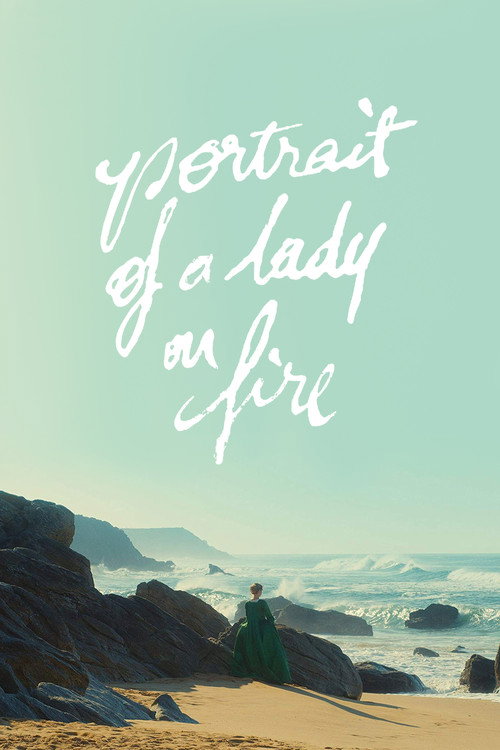
Céline Sciamma’s film is set in 18th-century France, following a painter commissioned to make a secret portrait of a woman. Very little happens by conventional standards. The camera watches faces for long stretches. Two characters develop a relationship through the act of looking at each other carefully.
If the novel you just finished was structured around small precise moments rather than plot events, this is the right film. The patience here is the point. Portrait of a Lady on Fire asks for the same quality of attention you’ve been giving for days.
45 Years : When the Novel Was About Time and What We Carry
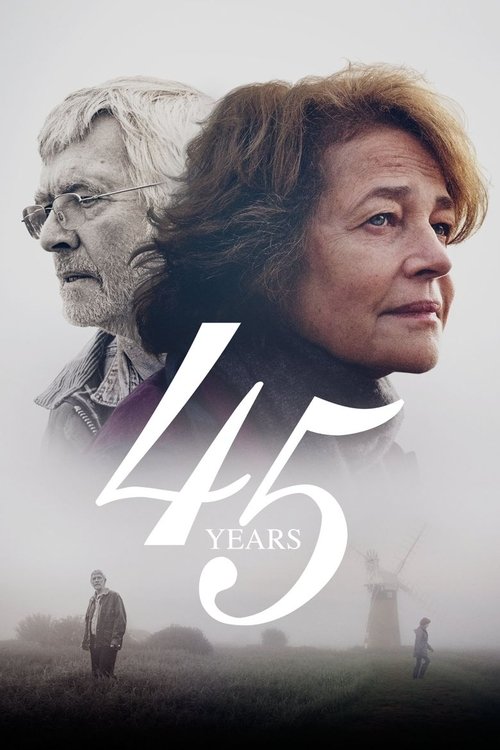
Andrew Haigh’s film takes place in the week before a couple’s forty-fifth anniversary. A revelation from forty years earlier surfaces, and the film tracks what it does to one woman across seven days. Charlotte Rampling’s performance is almost entirely reactive. You watch her understand something, slowly, over the course of the film.
Nothing is spelled out. The film rewards the same attention that dense literary fiction requires. It works especially well after novels about marriage, memory, or the distance between who someone was and who they became.
Moonlight : When the Novel Followed One Life at Close Range
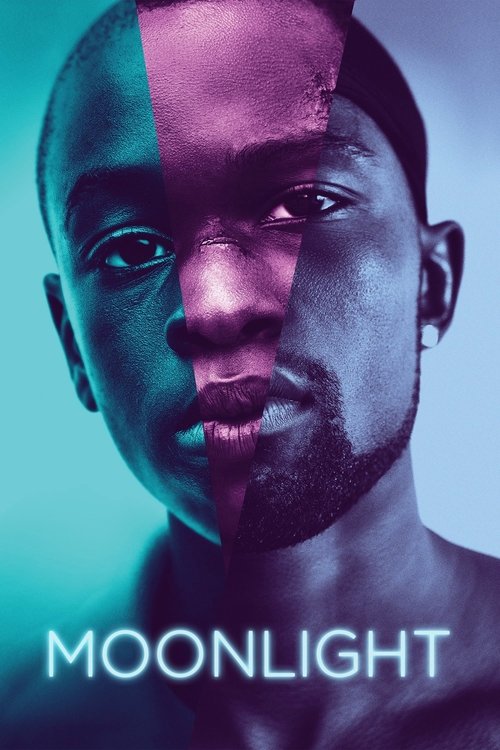
Barry Jenkins tells one person’s story across three decades in three chapters. Each chapter has its own texture and tempo. The emotional accumulation works the way a bildungsroman does: through small accretion, scene by scene, until the final chapter carries the weight of everything before it.
After a coming-of-age novel or any book that followed a single character through years of their life, Moonlight operates in the same register. The craft is literary in the best sense: it understands that how something is shown matters as much as what happens.
Boyhood : When the Novel Spanned Decades or Generations
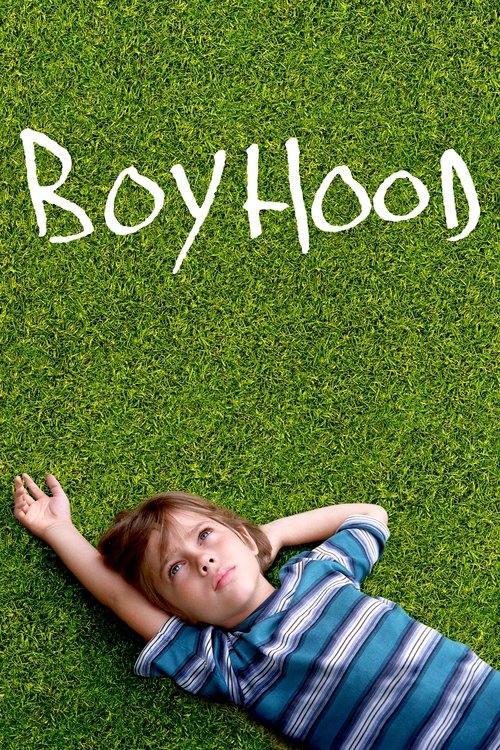
Richard Linklater filmed Boyhood over twelve years with the same actors. The result is the closest thing cinema has to the temporal feeling of a long novel. Time passes in cuts, with visible gaps, with characters who have aged between scenes.
After a novel that covered years or generations, Boyhood gives you a film that actually lasted that long to make. The effort is visible, and that visibility is part of what makes it work. You feel time in it.
Normal People: When You Loved the Novel and Want More of It
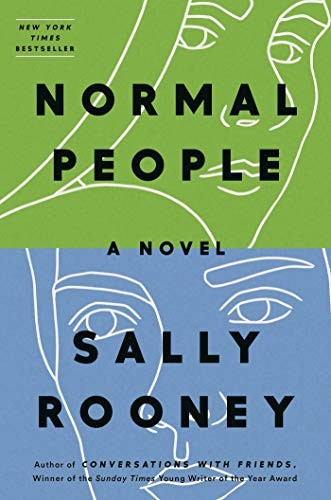
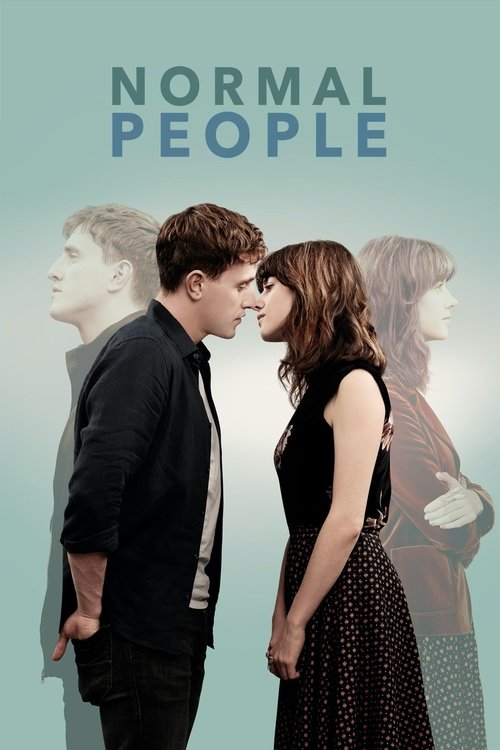
Lenny Abrahamson’s adaptation of Sally Rooney’s novel is the rare case where the screen version earns its place alongside the source. The series attends to the physical language of its two actors with the same precision Rooney brings to interiority on the page. Two people communicating through bodies and silences more than words.
Watch it if you’ve read the novel and want the world extended, or watch it if you haven’t read it yet and want to see whether the prose translates. It does. Six episodes is the right length here: enough time to accumulate, not enough to overstay.
The Hours : When the Novel Was About Consciousness
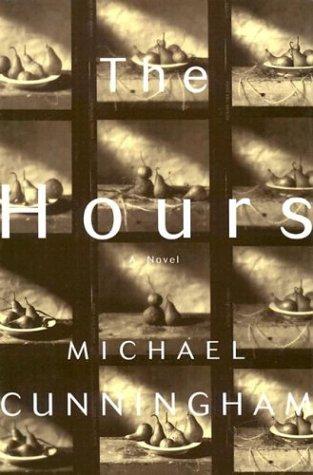
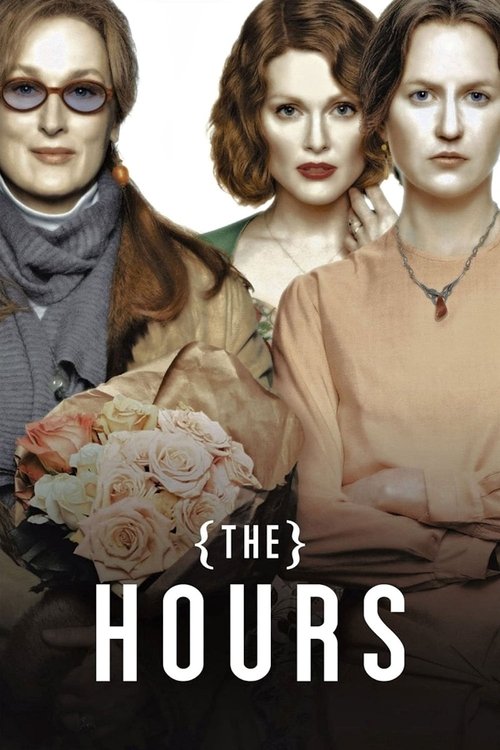
Stephen Daldry’s film adapts Michael Cunningham’s novel about three women across three time periods, connected by Virginia Woolf and by Mrs Dalloway. The film moves the way Woolf wrote: associatively, between interior states, finding the connections between moments that happen decades apart.
It is the right watch after novels more interested in consciousness than in event, or after anything by Woolf. The Hours is the kind of film that makes you want to go back to the book it came from.
Your Library Knows the Thread
Your own reading history is the best guide here. The patterns in the novels you’ve loved tend to recur in what you love on screen, even when you haven’t named the connection. If you’ve tracked both, those threads become visible.
Want all of it in one place? Achriom tracks your films alongside your books, music, TV, and anime, with an AI librarian that finds the threads between them. That is the part no single-format tracker can do.
Try Achriom free →Quick Reference
| If the novel was… | Watch |
|---|---|
| Lyrical, interior, precise | Portrait of a Lady on Fire |
| About time, memory, or marriage | 45 Years |
| A coming-of-age or a life at close range | Moonlight |
| Spanning decades or generations | Boyhood |
| Contemporary realism (Rooney, Ferrante) | Normal People |
| Woolf, or consciousness over plot | The Hours |
When to Skip the Film and Read the Next Book
Sometimes the urge to stay inside prose is the right one. If the novel is part of a series, or if the author has other books you haven’t read, go directly there. The voice carries over in a way no film can replicate.
If the book left you thinking about one specific idea, a novel on that same idea often works better than any film. Not every book hangover is a film problem. And if you genuinely can’t bring yourself to start something new, that’s fine. The discomfort has a purpose. It means the novel did its job.
The Honest Answer
The post-book void is real, and you cannot read your way through it immediately. A new novel won’t catch until the old one has settled. Films work as a bridge because they ask something different of you: attention without the labor of building a world from language. The films above were chosen because they meet you at the level of a good book. They have patience, interiority, and care for character over event.
Choose based on the mood you’re carrying after the novel rather than the novel’s genre. A thriller that left you feeling melancholy points toward Moonlight or 45 Years. A quiet, sensory book points toward Portrait. If you finished something that spanned years and left you with a sense of life’s accumulation, start with Boyhood.
The feeling you’re carrying is the guide.
Common Questions
What is “book hangover” and why doesn’t starting a new novel fix it?
Book hangover is the disorientation after finishing a novel you loved. The characters stay with you, and ordinary life feels slightly beside the point. Starting a new novel rarely helps immediately because your brain is still holding the world you just left. The new book can’t compete with the fully realized one you’re grieving. Giving yourself a day or two before picking up something new tends to work better than forcing the transition.
Why do some films feel thin after a great novel?
Films move quickly compared to the slow accumulation of a novel. After spending hours inside a character’s consciousness, a film that prioritizes plot over interiority can feel like a rough sketch. The best post-novel films are directed with patience: long takes, faces held on screen long enough to register what is happening inside them. If a film feels thin after a novel, it’s usually a pacing problem rather than a format problem.
Is it better to watch an adaptation of the novel I just finished or something different?
Watching an adaptation immediately after finishing the novel is almost always disappointing. The film will compress or change what you loved, and the discrepancy is distracting when the book is still fresh. A better approach is to wait, or to watch an adaptation of a different novel in the same territory. The Hours works well this way: you don’t need to have read Cunningham’s novel first, but it rewards the instinct to stay inside literary fiction.
What types of films work best after literary fiction?
Films with patience. Directors who take time with scenes, trust silence, and prioritize interiority over event tend to produce work that satisfies readers. Céline Sciamma, Barry Jenkins, Andrew Haigh, and Richard Linklater are reliable starting points. The key quality is a willingness to stay with a character rather than move away from them toward the next plot point.
How can Achriom help me find films based on books I’ve read?
Add the books you’ve read and the films you’ve loved to your Achriom library, then ask your AI librarian to find what they share. The librarian works across formats, so it can trace connections between a novel’s tone, themes, and emotional register and films that operate in the same territory. The recommendations come from your actual history, not a generic list.
Are there TV series that work as well as films after a great novel?
Yes, but they require more commitment, which can be a virtue or a problem depending on how you feel. A limited series of six to eight episodes can do what a film can’t: accumulate the way a novel does. Normal People and Fleabag both work this way. The risk is committing to something long when you’re still emotionally saturated from the book.