What to Read After Hereditary
Five books for Hereditary fans, from We Need to Talk About Kevin to Shirley Jackson. Where elevated horror lives on the shelf, plus films for when the reading list runs out.
Some links below are affiliate links. As an Amazon Associate, Achriom earns from qualifying purchases. For books we prefer Bookshop.org, which supports independent bookstores.
If Hereditary sent you looking for books that do what it does, these five are the answer: We Need to Talk About Kevin by Lionel Shriver, The Haunting of Hill House by Shirley Jackson, House of Leaves by Mark Z. Danielewski, In the Dream House by Carmen Maria Machado, and The Witches by Roald Dahl.
None of them is a novelization, because there is no book of Hereditary. Ari Aster wrote it as an original screenplay. What these five share with the film is the deeper material: family as a system of inherited damage, grief that turns monstrous when it has nowhere to go, and women carrying the weight of lineages they never agreed to.
Below is what each book is, why it belongs here, and where to start depending on which part of the film got under your skin.
What Makes a Book Feel Like Hereditary
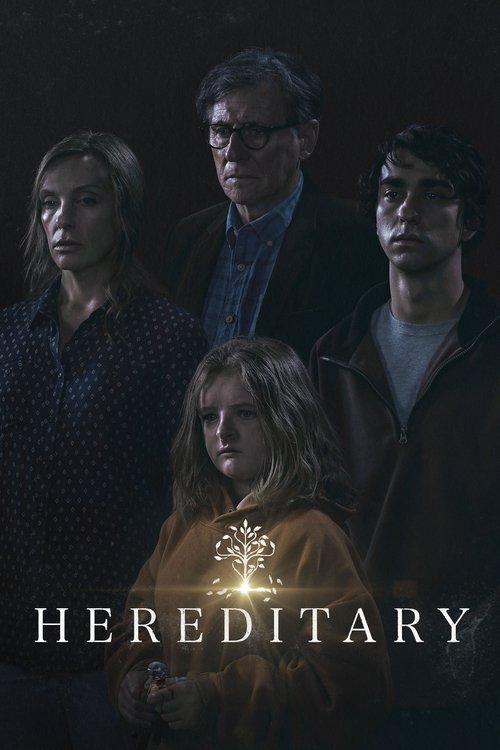
Hereditary is about the Graham family coming apart after the death of a grandmother who kept secrets, and about the design hiding inside what looks like ordinary catastrophe. Annie builds miniatures of her own life while her actual life is arranged by hands she cannot see. By the end, every tragedy that seemed random turns out to have been planned.
Books that match it tend to share four traits.
Inheritance is the engine. Something is being passed down: an illness, a curse, a temperament, a debt. The characters did not create the problem and cannot opt out of it. Hereditary’s cruelest idea is that the family was chosen before anyone in it was born, and the books here run on some version of that machinery.
Grief does the haunting. In these stories, mourning is an active force. It isolates people, distorts what they see, and opens doors that should have stayed shut. Whether or not anything supernatural exists, the grief is real and it behaves like a predator.
The family is the haunted house. The dinner table scene in Hereditary frightens people more than the séance does. The books that fit are the ones where the domestic space itself carries the threat, where the people who love you are also the mechanism of your destruction.
Craft carries the dread. Audiences who came to Hereditary through the elevated horror label want form and terror in equal measure. Every book on this list is doing something deliberate at the sentence or structural level. The dread is built, never sprayed on.
We Need to Talk About Kevin
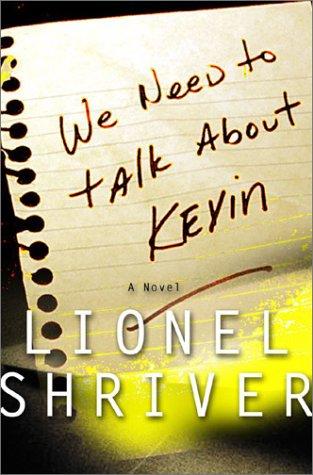
Lionel Shriver’s 2003 novel is told in letters from Eva Khatchadourian to her husband, written after their son Kevin has committed a school massacre. Eva works backward through Kevin’s whole life, trying to determine when it went wrong and how much of it was her fault, and whether she ever loved him, and whether he knew.
This is the book for anyone who found the marrow of Hereditary in Annie’s sleepwalking confession, the speech where she admits she never wanted to be a mother. Shriver spends four hundred pages inside that exact wound. Eva is intelligent, unsentimental, and unreliable in ways she half admits, and the horror of the book is that both readings stay available to the end: a cold mother who made a monster, or a clear-eyed mother who recognized one early and was disbelieved.
There is nothing supernatural here, and the book is more devastating for it. No Paimon, no cult, no design to blame. Just a family, a child, and the question of whether damage travels through blood or through the way we hold each other.
The strongest single match on this list for the film’s emotional register. Also the hardest to read.
The Haunting of Hill House
Shirley Jackson’s 1959 novel is the foundational text of the tradition Hereditary works in, and Aster has been open about the debt. Four people spend a summer in a house with a reputation. One of them, Eleanor Vance, has spent her adult life caring for a demanding mother who recently died, and the house notices her.
What Jackson understood before almost anyone is the move that makes Hereditary work: the ambiguity between haunting and breakdown is scarier than either one alone. Hill House may be reaching into Eleanor, or Eleanor may be dissolving on her own schedule, and the novel refuses to settle it. Annie Graham is a Jackson protagonist. So is her mother.
The prose is exact and quietly off-balance, with an opening paragraph that horror writers have been trying to equal for sixty years. Nothing graphic happens in the entire book. It is still, by wide consensus, one of the most frightening novels in the language.
If you want to understand the family tree Hereditary belongs to, this is the root.
House of Leaves
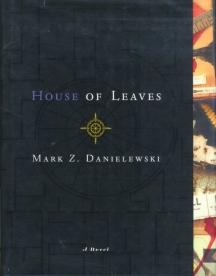
Mark Z. Danielewski’s 2000 novel is about a family that moves into a house and discovers it is bigger on the inside than the outside. The father, a photojournalist, documents the impossible hallway that opens in the living room wall. That documentary is then analyzed by a blind recluse in an academic manuscript, which is then annotated by a young man losing his mind while assembling it. The book you hold is the whole stack at once, footnotes spiraling into footnotes, text mirrored and inverted and shrinking down corridors of white space.
This is the formal experiment on the list, the pick for readers who admired Hereditary as construction: the dollhouse framings, the way the camera treats the family like miniatures being arranged. Danielewski does the same thing with typography. When the characters are lost in the dark, the page goes nearly empty and you fall through it faster and faster. The form is the fear.
Underneath the apparatus is a family story, and it holds. Will Navidson and Karen Green are a marriage under measurement, and the house expands into exactly the space their distance creates.
Give it real time. It repays a weekend of full attention in a way it cannot repay stolen minutes.
In the Dream House
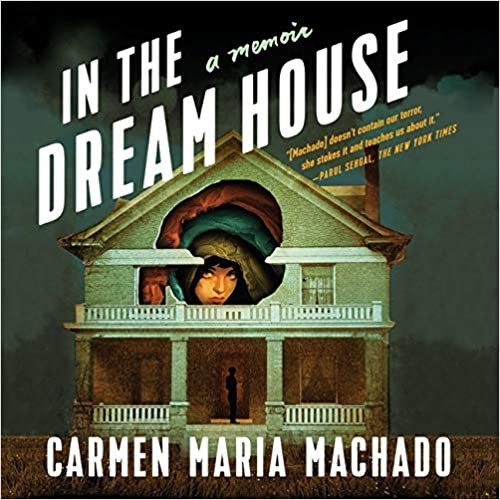
Carmen Maria Machado’s 2019 memoir recounts an abusive relationship with a woman, told in short chapters that each borrow a different genre: Dream House as Noir, Dream House as Haunted Mansion, Dream House as Choose Your Own Adventure. The form sounds like a stunt and reads like a séance. Machado is using the whole library to describe an experience the archive barely records.
The Hereditary connection is inheritance in its widest sense. Machado is asking what stories get passed down about queer relationships, what happens to the abuse that no narrative tradition has made room for, and how a person haunts herself with the versions of events she was handed. The house in her title works the way Aster’s house works: a domestic space that promises safety and delivers the trap.
It is also simply one of the best-written books of its decade, sentence for sentence. Readers who came to elevated horror for the elevation will find more craft per page here than anywhere else on this list.
The one entry that is true, which changes what the dread does to you.
The Witches
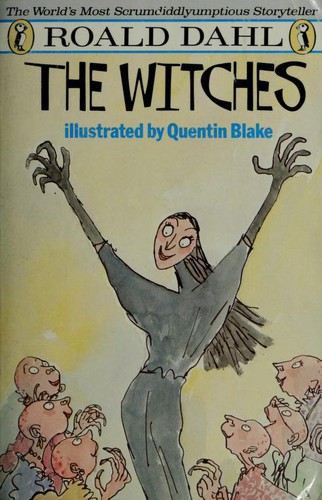
Roald Dahl’s 1983 children’s novel is the original grandmother horror. A boy loses his parents in the first pages and is raised by his Norwegian grandmother, a cigar-smoking authority on witches: how to spot them, what they do to children, why they are real. Then the two of them end up in a hotel hosting the annual convention of every witch in England.
Including a children’s book on a Hereditary list looks like a joke until you reread it. Dahl’s matter-of-fact narration of horrifying material is the register a lot of modern horror chases, and the family structure is Hereditary inverted: a grandmother whose occult knowledge protects the child instead of spending him. The ending, which the 1990 film adaptation famously softened, commits to a permanent transformation with the calm of a bedtime story.
Read it in an evening as the palate cleanser between the heavier entries. It has been quietly teaching readers about inherited knowledge, hidden covens, and grandmothers who know too much for forty years.
Track the Whole Thread in Achriom
Hereditary sends people to bookshelves, and these books will send you back to film. That loop, from Aster to Jackson to Machado and out again, is one taste moving across formats. Most tracking apps can only see the fragment of it that matches their single medium.
Achriom keeps the whole thread in one library. Log the film, add the books as you read them, and your AI librarian can tell you what actually connects them and what to pick up when We Need to Talk About Kevin leaves you hollowed out.
Your taste does not stop at the edge of one format, and your library should not either. Achriom is one library for films, books, shows, albums, and anime, with an AI librarian that finds the threads between them and full export back out any time. Free to start, no card.
Bring your library together →How These Books Compare
| Book | Grief as Horror Vector | Family as the System | Supernatural or Psychological | Closest to Hereditary |
|---|---|---|---|---|
| We Need to Talk About Kevin | Yes | Yes | Psychological | Highest (emotional register) |
| The Haunting of Hill House | Yes | Yes | Deliberately ambiguous | Highest (lineage) |
| House of Leaves | Partial | Yes | Ambiguous | High (formal dread) |
| In the Dream House | Yes | Partial | Psychological | Medium (inheritance theme) |
| The Witches | Partial | Yes | Supernatural | Medium (grandmother lore) |
When the Reading List Runs Out: Midsommar, The Witch, and Men
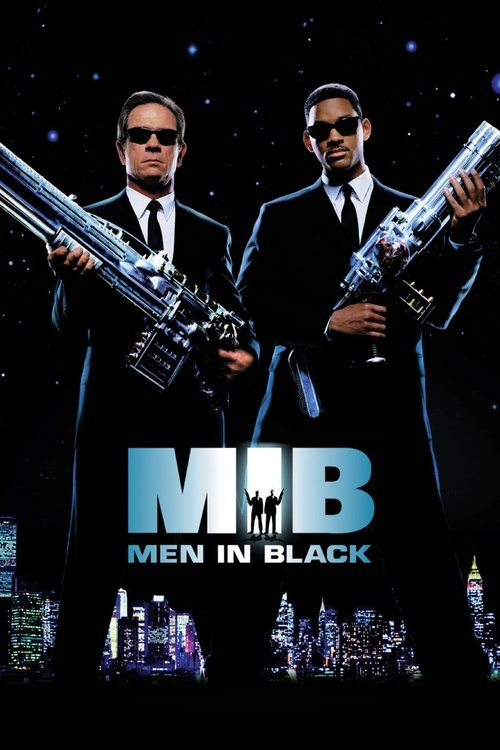

The books cover the shelf. The screen has its own axis, three directors circling the same material Aster mined.
Midsommar
Aster’s 2019 follow-up opens with a family annihilation and then processes that grief in permanent Scandinavian daylight. It trades Hereditary’s darkness for flowers and sunshine and arrives somewhere equally uncompromising. The two films are one argument about mourning, made twice.
The Witch
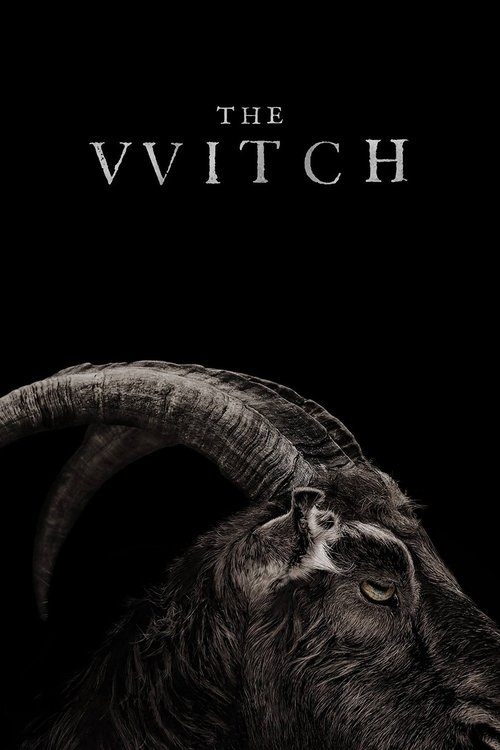
Robert Eggers’s 2015 debut is the other pillar of the family-horror revival: a Puritan household exiled to the edge of the wilderness, eating itself with suspicion while something waits in the trees. Where Hereditary hides its design until the end, The Witch shows you the witch early and makes the family the real engine of destruction.
Men
Alex Garland’s 2022 film follows a widow to an English village where every man wears the same face. It is the most divisive film of the three and the most literal about inherited male violence as a self-replicating line. If Hereditary’s boldest swings were your favorite part, this completes the axis. Garland’s earlier adaptation work is covered in what to read after Annihilation.
For the folk horror branch of this family, where the community rather than the household carries the curse, there is a separate reading list in what to read after Widow’s Bay.
Which to Read First
For the emotional devastation: We Need to Talk About Kevin. The motherhood horror at the center of the film, delivered without any supernatural cushioning. Start here if Annie’s confession scene is the one you cannot shake.
For the lineage: The Haunting of Hill House. The book Hereditary descends from, and the cleanest introduction to Jackson if you have somehow missed her.
For the formal experience: House of Leaves. The closest a printed book comes to the disorientation of watching Hereditary at full attention.
For the sentences: In the Dream House. The most beautifully written entry, and the one that expands what the list means by horror.
For a single evening: The Witches. Short, strange, and the original text on grandmothers with secret knowledge.
The Honest Answer
No book replicates Hereditary, because half of what the film does lives in Toni Collette’s face and in Colin Stetson’s score. What the shelf offers instead is the film’s separate organs, each developed further than the film had room for.
Shriver takes the motherhood dread deeper. Jackson takes the ambiguity deeper. Danielewski takes the formal games deeper. Machado takes the question of inherited stories deeper, and Dahl proves the grandmother material was always strong enough to hand to children.
Read two or three and Hereditary changes on rewatch. The design becomes visible earlier, which somehow makes it worse. That is the mark of the tradition these works share: knowing the shape of the trap does nothing to get you out of it.
Common Questions
Is Hereditary based on a book?
No. Ari Aster wrote the screenplay as an original work, drawing on his own interest in family trauma and on a lineage of domestic horror that includes Shirley Jackson and Rosemary’s Baby. No novelization or source novel exists, which is why fans go looking for books that feel like it rather than the book it came from.
What is Hereditary actually about?
On the surface, the Graham family unraveling after the death of a secretive grandmother, and the cult of Paimon operating behind that unraveling. Underneath, inheritance: mental illness, guilt, and damage passed down a maternal line to people who never chose it. The supernatural plot and the family drama tell the same story twice, which is why the ending lands as recognition instead of a twist.
Should I watch Hereditary or Midsommar first?
Hereditary first. It is the more concentrated film, and Midsommar reads partly as its inversion, with the same grief and the same interest in inherited ritual moved into permanent daylight. Release order lets you watch Aster work through one obsession from two directions.
Are these books as disturbing as the film?
Two of them are, in different ways. We Need to Talk About Kevin is the most emotionally brutal, with no supernatural buffer between you and the worst of it. House of Leaves is the most destabilizing. Hill House and In the Dream House work by dread rather than shock, and The Witches is a children’s book with an unusually sharp edge.
Is House of Leaves hard to read?
It asks more of you than a conventional novel. The text runs through footnotes, mirrored passages, and pages you physically rotate to follow. Most readers find that the difficulty is the point, since the form makes you feel what the characters feel inside the house. Give it a weekend rather than ten minutes a night.
What does elevated horror actually mean?
An informal label for horror films where craft and theme carry as much weight as the scares: Hereditary, The Witch, The Babadook, Get Out. Plenty of critics dislike the term, since horror has always had craft, from Jackson onward. Treat it as useful shorthand with a contested history.